
The cedar of Lebanon, also known as Lebanon cedar, is a species of tall coniferous trees characterized by large, irregularly shaped heads with spreading branches. It belongs to the Cedrus genus of the Pinaceae family. This cedar species typically grows in the mountainous regions of the Eastern Mediterranean. In Middle Eastern culture, it has great historical and religious significance and has been cited several times in ancient literature.
Coniferous Forest Plants and Trees
What is a coniferous tree
Evergreen cone-shaped trees, growing needle- or scale-like leaves are called conifers. Most trees growing in these forest regions are cone-bearing gymnosperms, meaning their seeds are bore exposed, without any outer enclosure, in the form of cones. Although nowhere as rich as temperate forests and tropical rainforests, the conifers have adapted well to thrive in the unconventional growing conditions of the coniferous forests.
There are over 600 extant species of conifers, which are categorized into different groups depending on their foliage shape and needle type.

Eastern Red Cedar

Eastern red cedar, commonly called the red cedar, eastern juniper, pencil cedar, and red juniper, is a species of dense, slow-growing conifers that belong to the genus Juniperus of the family Cupressaceae. Known for its graceful appearance and being incredibly strong for its small to medium size, the red cedar is found in the eastern and northern states of America. The two varieties of eastern red cedar include Juniperus virginiana var. virginiana or eastern juniper (distinguished by larger cones, acute scale leaves at the apex, and reddish brown bark) and Juniperus virginiana var. silicicola or southern juniper (characterized by smaller cones, blunt scale leaves at the apex, and orange-brown bark).
Norway Spruce

The Norway spruce is a beautiful ornamental tree species. The pyramid-shape makes it as a viable choice for Christmas trees. It is also a popular selection for bonsai.
California Redwood

The California redwood is known for its longevity and height. Just like its name, the tree is although not exclusive to the place, but mostly found in that region.
Foxtail Pine

The foxtail pine, found in the Kings Canyon National Parks and Sequoia National Park along with the subalpine zones, is a tree with great longevity. This is not a commercial plant and are not harvested commonly.
Blue Spruce

The blue spruce is an extremely resilient species that can withstand massive temperature changes, air pollution, and draught. They belong to the pine family.
Western White Pine

The western white pine is an ornamental species of tree that is blessed with an incredible endurance capacity. The beautiful coniferous tree has an open crown.

European Larch

European Larch is a shade intolerant species that is common throughout Carpathian Mountains and Alps. Presently, it is a sought after one for its beautiful appearance that enhances gardens and parks.
Alligator Juniper

The perennial species belonging to the Cupressaceae family is a coniferous tree. Bloomed throught January to March the tree has a triangle shape top with an interesting bark texture.
Hick’s Yew

The Hick’s yew is a cultivar of the Anglojap yew, is a hybrid yew plant believed to be created by T.D. Hatfield, a Massachusetts based horticulturist. It is the result of the hybridization of the English yew and the Japanese Yew.
Dawn Redwood

The dawn redwood tree was long thought to be extinct until it was rediscovered in 1941 by Mr. T. Kan while performing a survey in the Hubei and Sichuan provinces of China. The discovery was confirmed in 1946 after the end of the Second World War. It is the sole species of its genre.
Japanese Plum Yew

The Japanese plum yew is a deer-resistant small tree belonging to the plum-yew family. Its scientific name is in honor of the Earl of Harrington, who was the first plant this tree in a Europe.
Red Spruce

Red spruce trees inhabit eastern North America. Perhaps it’s most well-known use is its effectiveness as a tonewood, which makes it a perfect choice for making guitars and violins. The tree is, however, susceptible to windthrow and acid rain, both of which can damage it rather easily.

Loblolly Pine

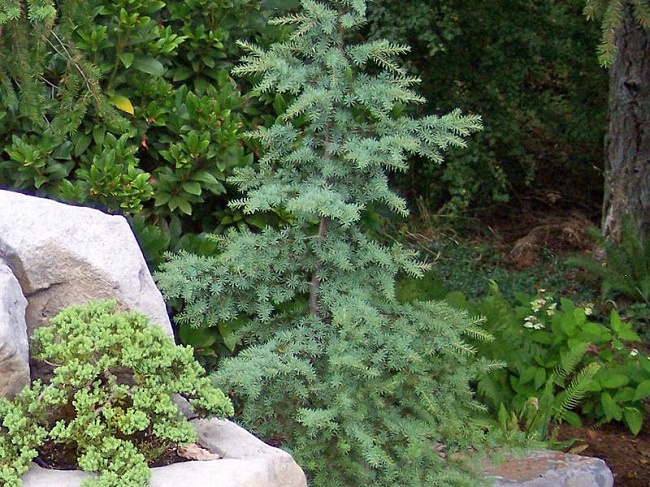
Loblolly pine is second most widespread of trees in the United States, after the red maple. It is a fast growing conifer. One particular individual in Arkansas is over 300 years of age. The origin of its name is the combination of the two words lob and lolly; the former means bubbling porridge while lolly means any pot-boiled food like soup or broth.
English Yew

Originally known just as Yew, the English yew moniker started becoming commonplace when other trees of this genus were discovered. It is found across Europe and in parts of Asia and Africa as well. It is sometimes considered a shrub because of its average medium maximum size despite the columnar structure.
Jeffrey Pine

Jeffrey pine is a species of conifers found in North America at an altitude of 1,500 to 2,900 m. These pine trees, named after the Scottish botanist John Jeffrey, slightly resemble Ponderosa pine though they can be differentiated based on their needles, buds, cones, and bark.
Giant Sequoia

Giant sequoia trees are the giants of the plant kingdom, growing to large dimensions, both in height and volume. They are also very long-lived. It is the only living member of its genera.
Italian Cypress (Mediterranean Cypress)

Italian cypress is a medium-sized conifer found across the Mediterranean region. It has also been grown in colder places like North America, New Zealand, and the British Isles.
Eastern White Pine

Eastern White Pine is a tree native to eastern North America. It is a large pine tree with historical significance as the Iroquois (Native American Haudenosaunee) considered it as the “Tree of Peace” and chose it as a symbol for the unity of the Iroquois Confederacy.
Coulter Pine

The Coulter pine is an evergreen coniferous tree native to coastal mountains of southern California and northern Baja California. Named after an Irish botanist and physician Thomas Coulter, this species is also found nearby Diamond Mines Regional Preserve located in the north of Mount Diablo State Park. Jeffery pine tree is closely related with Coulter pine and they commonly share their habitat with Ponderosa pine.
White Spruce

The white spruce tree, also known as cat spruce and skunk spruce, is a coniferous tree found across North America.
Western Hemlock
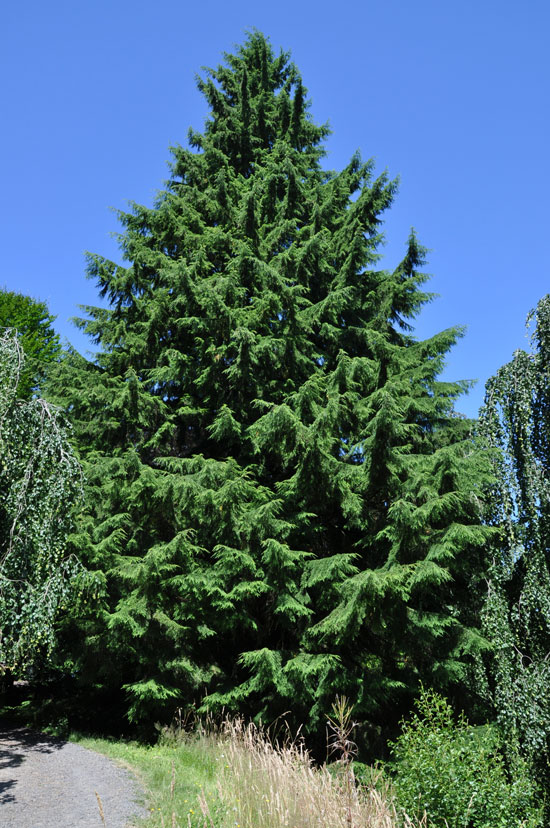
Known for its durable timber, the western hemlock is a species of large conifers found in the western coastal regions of North America. It is the dominant climax species in the forests west of the Pacific Coast Ranges.
Sugar Pine
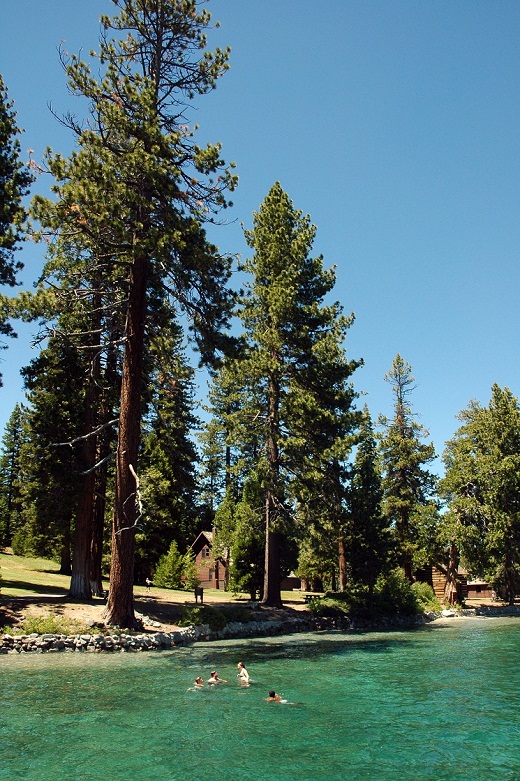
The sugar pine tree, often called the ‘king of the conifers’ is the largest of all pines, growing to a height surpassed only by a few other coniferous trees. It can be found throughout the mountains of the North American Pacific Coast.
Pacific Yew

The Pacific Yew is an evergreen coniferous tree which comes in small to medium sizes appearing somewhat like a large shrub. It is a native North American tree mainly found in moist, shady regions, and in the underlying layers of vegetation in dense forests.
Deodar Cedar

Deodar cedar, sometimes referred to as the California Christmas tree, is a speciesof conifer occurring in the western Himalayas at an altitude of around 1,500 to 3,200 m.The tree is graceful with pendulous branches and comes in attractive coloring, ideally suited for use in landscaping.
Norway Pine (Red Pine)

Norway pine also called red pine is a species of medium-sized, evergreen coniferous trees found in North America. Growing in pure, hardwood, or mixed-conifer stands, the Norway pine commonly occurs with Virginia pine, Table Mountain pine, pitch pine, and eastern white pine. It has a conical crown that becomes rounded dome at maturity.
Japanese Cedar

The Japanese cedar or cryptomeria, meaning hidden parts, is a coniferous tree widespread within Japan. It is a handsome tree and only grows prettier with age, with the most striking feature being its pyramidal shape with dense branches, spreading in concentric circles. There are various dwarf cultivars that enhance the aesthetics of the tree even further, and they are used extensively in bonsai.
Ponderosa Pine

Ponderosa pine is a species of lean and erect coniferous trees distributed in the western US and Canada. It is one of the most abundant conifer species in America and is valued for its rugged-looking and resilient timber as well as for recreational use.
Scots Pine

Scots pines are one of the most extensively distributed conifers in the world, found in large parts of Eurasia. They grow from sea level to a height of 2400 m, the elevation increasing from north to south of its native range.
Northern White Cedar

Northern white cedar also called swamp cedar is an evergreen species of conifers found in eastern Canada and many places in the United States. Since its barks, twigs, and sap are believed to have medicinal properties, it is named “arborvitae” in Latin, meaning “tree of life.” Although northern white cedar is closely related to western red cedar, the two species differ in their geographic range, minutely pointed scales of seed cones, and leaf color.
Austrian Pine

The Austrian Pine also called the black pine is one of the toughest pine species widely spread across southern and eastern Mediterranean Europe as well as the mountainous regions of North Africa. These pine trees have gained prominence in the Midwestern US states due to their adaptability, bold texture, and fullness of foliage.
Pinyon Pine

Pinyon or Piñon is a species of small to medium-sized pine trees growing at an altitude of 1,400-3,000 m. As a drought-resistant tree, the Pinyon intermixes with junipers and dominates the forests of the semi-desert regions in the southwestern US.

Subalpine Fir

The Subalpine fir tree is the most widely distributed fir species in North America after the balsam fir. It is also the smallest of the true firs inhabiting the western United States.
Bald Cypress

Bald cypress, also known as swamp cypress, or southern-cypress is a large-sized coniferous tree found in the Gulf Coastal Plains and the Southeastern United States. It has a pyramid-shaped crown when young, turning columnar at maturity. Trees growing in swampy conditions are known for their pneumatophores, commonly called “cypress knees,” which are special types of aerial roots used for transporting oxygen to the underground root system.
Nordmann Fir

The Nordmann fir, named after the Finnish zoologist Alexander von Nordmann, is a large coniferous tree found in certain Caucasian countries. Scientists have observed two distinct subspecies of the tree – the Caucasian fir and the Turkish fir, with their range of distribution culminating in Northern Turkey at about 36°E longitude.
Montezuma Cypress

The Montezuma cypress is a deciduous, coniferous tree found from Central America to the Southern parts of North America where it generally grows next to water bodies. Known to develop huge trunks, the Montezuma cypress is a fairly hardy plant not affected by common diseases.
Balsam Fir

Balsam fir is a species of small to medium-sized North American coniferous trees with a dense, symmetrical pyramidal crown. Known for its spicy fragrance and dark green color, the balsam fir has been commonly used as a Christmas tree over the years.
Shortleaf Pine

The Shortleaf Pine is a medium- to large-sized tree, indigenous to the eastern United States. The tree varies in form – sometimes straight, sometimes twisted with an asymmetrical crown. It can tolerate varied soil and site conditions and maintains steady growth rate for a long period.
Virginia Pine

Once known as a ‘forest weed,’ the Virginia pine tree has come a long way, gaining a reputation as a Christmas tree, despite its sharp needles. Its tendency to grow in poor soils and apparent capability to grow in places, where most other pines won’t, have made it one of the most favored trees in North America.
Japanese Yew

The Japanese yew is a highly sought after ornamental shrub native to Japan, Korea, and some other countries in the region. It is very tolerant to pruning and is ideal for use as a hedge, backdrop for a garden, and in its native regions, particularly Japan as a bonsai tree.
Korean Fir

The Korean fir tree is a small to mid-sized evergreen conifer, found in the mountains of South Korea. It is a beautiful plant with ornamental foliage, revered across the world as a decorative tree for gardens and landscapes.
Whitebark Pine

Whitebark pine or white pine is a species of small- to medium-sized subalpine conifers found at mid to high elevations in the mountainous regions of Canada and western United States. From small trees with broad crowns and rapidly spreading trunks to shrubs with twisted branches and widely extended crowns, the whitebarks vary in shape as they are continuously exposed to severe freezing winds.
Rocky Mountain Juniper

Rocky Mountain Juniper is a small- to medium-sized coniferous tree native to North America, growing at an elevation of about 500-2700 meters (1600-8900 ft) on dry soils usually with other juniper species. It has a wide, irregular crown and twisted trunk.
Western Larch

Western larch, also known as western tamarack or tamarack, is a species of large deciduous conifers found on the lower mountain slopes and valleys of western North America, as well as in parts of Canada and the United States. Although it is typically found in forests with mixed species of trees, it can sometimes grow in pure groups. It has a pyramidal form with level to upswept main branches and sagging side branches.
Japanese Black Pine

Japanese black pine, with its spreading and swaying branches, is a species of evergreen, coniferous trees native to the coastal and mountainous regions of South Korea and Japan. Being adaptable to a variety of soil conditions, these conifers are commonly used for seaside plantings and beach landscaping.
Eastern Hemlock (Canadian Hemlock)
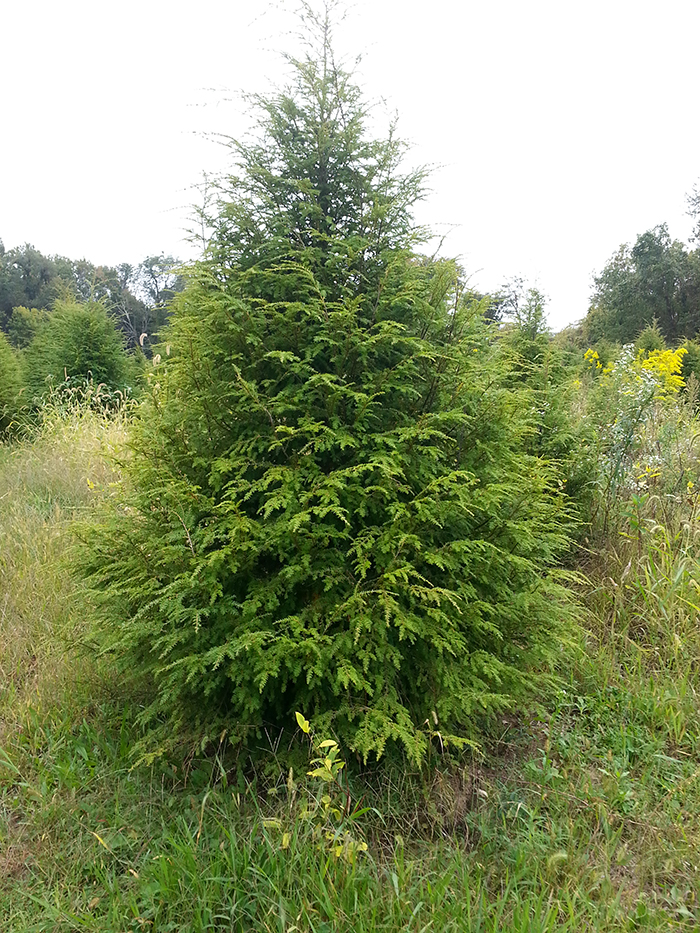
Eastern hemlock is a species of conifers found across eastern North America at elevations of 600-1800 meters (2,000-5,900 feet).
Sitka Spruce

What is Sitka spruce?
Named after the Sitka community in Alaska, the Sitka spruce is a species of large evergreen conifers found in the western coastal regions of North America at an elevation of 400-1000 m. Being the third tallest coniferous tree species in the world, the Sitka spruce is known to reach over 90 meters in height.
Creeping Juniper

Creeping juniper is a species of graceful, aromatic, low-growing, evergreen shrubby conifers native to the boreal and subarctic regions in North America, though some populations are also scattered further south in America. Featuring plume-like horizontal branches, the creeping junipers have blue-green foliage in both spring and summer, turning into dark purple in winter.
Limber Pine

The very durable Limber Pine is a species of high-elevation, evergreen coniferous trees typically found in the mountainous regions of the Western US, Canada, and Mexico. These trees have an initial pyramidal structure but at maturity, their crown becomes more rounded, while those limber pines growing in high alpine sites are relatively shorter with a shrubby and twisted form.
Engelmann Spruce

Engelmann spruce is a medium- to large-sized evergreen conifer indigenous to the western parts of North America, typically growing at high altitudes between 3,000 ft and 11,980 ft (900 m and 3,650 m). These spruce trees have a pyramidal crown with a slightly rounded top and their branches extend to the ground, giving the whole tree a low, shrubby look.
Fraser Fir

Fraser fir is a coniferous tree found in the southern Appalachians in southeastern America at high altitudes between 3,900 ft to 6,683 ft. This fir species, noted for having a strong turpentine scent, exhibit a well-proportioned appearance with good needle retention ability. It has a conical crown consisting of straight twigs that are sometimes angled slightly upwards. The branches of the young trees are more compact and dense compared to those of the matured Fraser firs.
Noble Fir

Noble fir, known for its beautiful symmetrical appearance, is a tall conifer species found in the Pacific coastal ranges of North America at an altitude of 910-1,680 m (3,000-5,500 ft). It has long and pointy leaves that turn upward, revealing the branches below. When young, the tree has smooth, gray bark with resin blisters; but at maturity, it becomes reddish-brown, with a rough, fissured texture.
Atlas Cedar

Atlas Cedar is a species of picturesque coniferous tree found in the Atlas Mountain Range of Morocco and Algeria at an altitude of 1,370-2,200m. It has a loose pyramidal form when young, and its striking green or bluish-green foliage, along with its long branches, spread rapidly, becoming flat-topped with age. When given enough room to grow freely, it can reach up to a height of 40m, and its crown can spread up to 12m.
Serbian Spruce
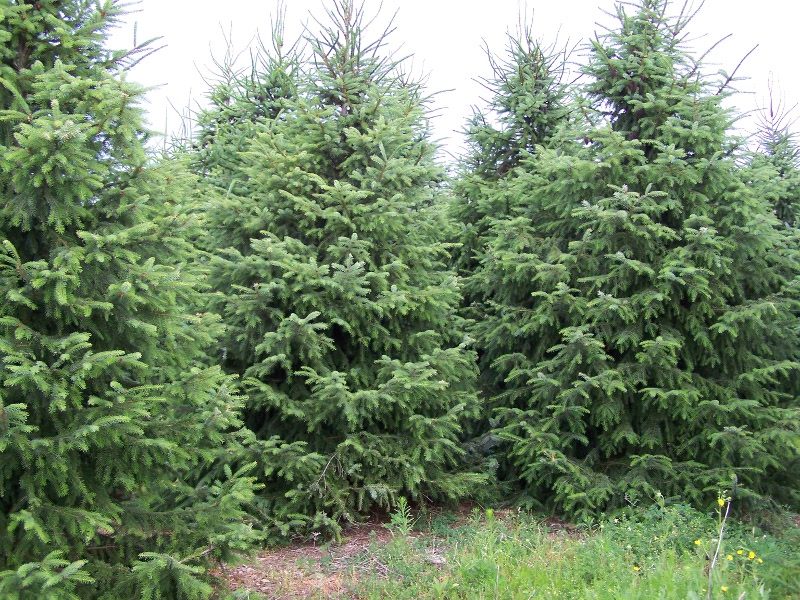
The Serbian Spruce, distinguished by its tapering form and needle-like leaves, is a species of medium-sized coniferous tree found in the mountainous regions along the Drina River valley of eastern Bosnia and western Serbia at an elevation of 2,625-5,249 ft. It has dark foliage with blue-green undersides, and its buff-brown shoots are quite hairy.
Port Orford Cedar

Port Orford Cedar, widely known for its quality of wood and horticultural uses, is a conifer native to northwest California and southwest Oregon. It is found at an elevation of 4,900 ft (1,500 m) in the valleys of Klamath River.
Concolor Fir (White Fir)

The concolor fir is a species of coniferous trees found in the western parts of North America at an altitude of 3,000-11,200 ft (900-3,400 m). Its small, needle-like leaves occurring in rows are usually flat and are without stalks. The leaves at the apex are curvier and thicker than the leaves below.
The young trees have smooth, gray, thin barks with conspicuous resin-bearing pockets. However, as they grow old, the trunks become thick, light gray or reddish-brown in color, and have deep furrows with flattened ridges.