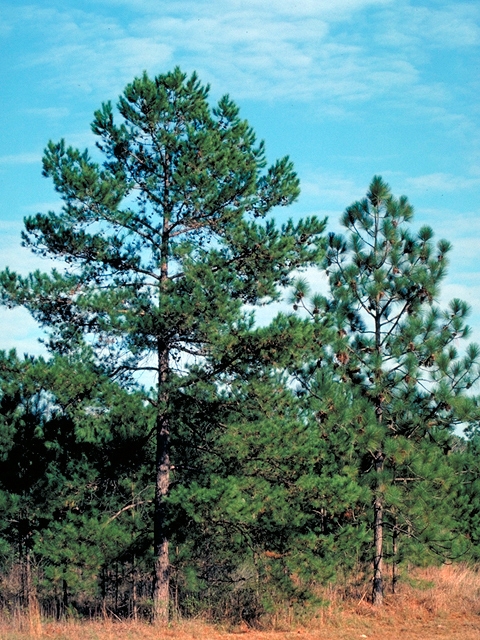
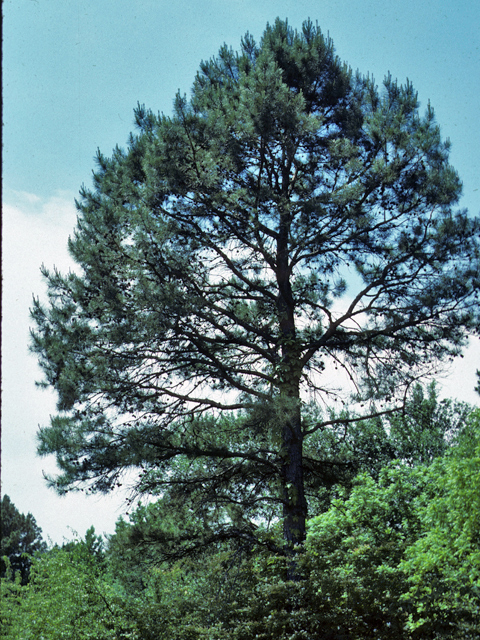
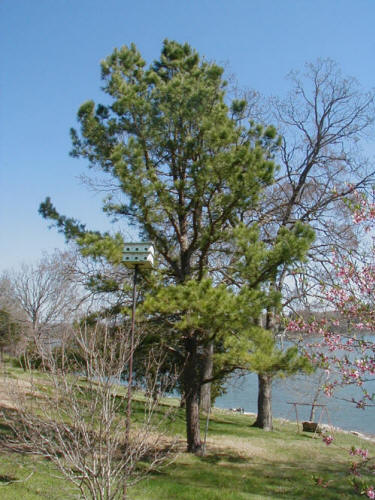
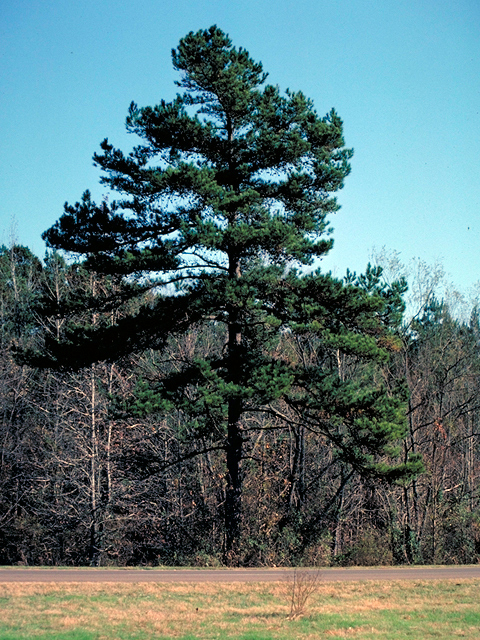
The Shortleaf Pine is a medium- to large-sized tree, indigenous to the eastern United States. The tree varies in form – sometimes straight, sometimes twisted with an asymmetrical crown. It can tolerate varied soil and site conditions and maintains steady growth rate for a long period.
Scientific Classification
| Kingdom | Plantae |
| Division | Pinophyta |
| Class | Pinopsida |
| Order | Pinales |
| Family | Pinaceae |
| Genus | Pinus |
| Species | Pinus echinata |
Quick Information
| Other Names | Southern Yellow Pine, Oldfield pine, Shortstraw pine, Shortleaf Yellow Pine, Arkansas Soft Pine |
| Similar Species | Virginia Pine |
| Size | Height: 20-30 m (66–98 ft) Trunk diameter: 0.5–0.9 m |
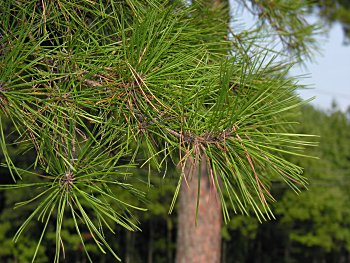
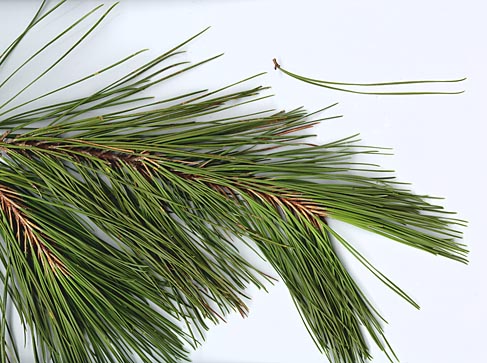
| Leaves | Needle-shaped, mixed in bundles of two or three; 7-11 cm (2.8–4.3 in) long |
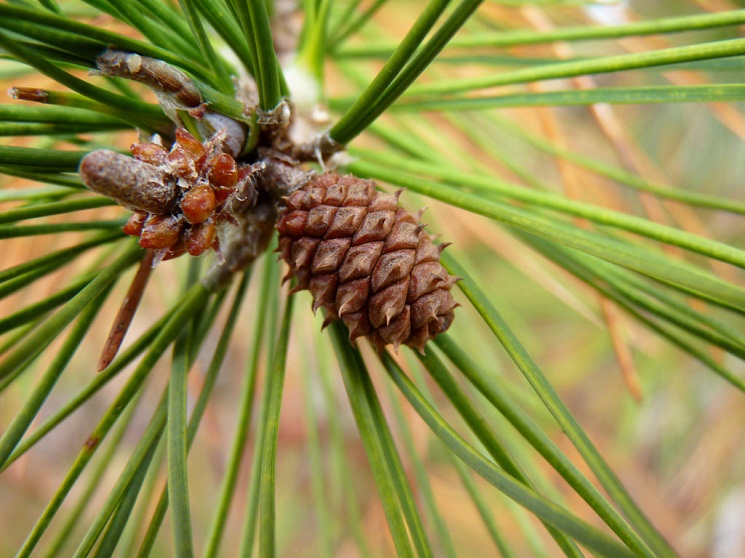
| Cones | 4-7 cm (1.6–2.8 in) long, consists of thin scales with a transverse keel and a short prickle; it is persistent but, opens at maturity |
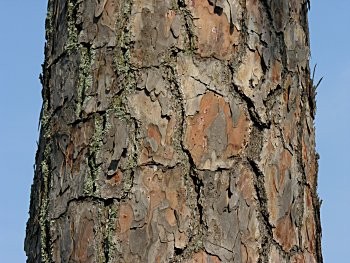
| Bark | Dark and scaly when young, turning reddish-brown with fragmented rectangular plates upon maturity, there are small resin pores on the plates; it is 2 to 3 cm (0.8 to 1.0 in) thick |
| Tree Type | Evergreen |
| Shape at Maturity | Crown is rounded to cone-shaped |
| Distribution/Range | New York State, northern Florida, eastern Oklahoma, eastern Texas |
| Hardiness Zones | 6a-8b |
| Growth Rate | Grows slower when young; later, it becomes steady |
| Lifespan | Around 200 years |
| Growing Conditions | Soil conditions: Grows well on drier, well-drained, and less fertile sites in full sun, requires low nutrients, does not grow well on soils with high calcium content, high pH, and poor soil aeration Water requirements: Fairly drought resistant Sunlight: Tolerates partial shade |
| Diseases/Pests | Littleleaf disease, root rot, red heart; Nantucket pine tip moth, redheaded pine sawfly, loblolly pine sawfly, pitch-eating weevil, pales weevil |
| Flowering/Fruiting | Late March to late April |
| Seed Production | Bears seeds at around 20 years of age |
| Dispersal of Seeds | Late October to early November |
| Wildlife Value | Provides excellent nesting sites for woodpeckers and shelter to other species; deer graze on young sprouts while some animals feed on the seeds; the shortleaf pine forests aid in preventing sandy soil from erosion |
| Uses | Good source of wood pulp, lumber, and plywood veneer |
| IUCN Conservation Status | Least Concern |
Interesting Facts
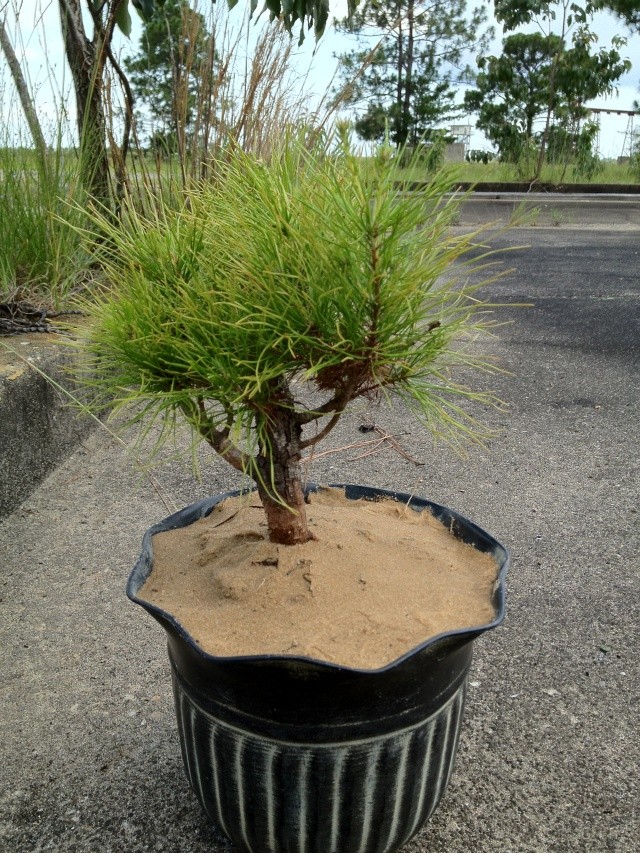
- Like most pines, Shortleaf pine is a popular bonsai.
- Young trees may sprout from the base especially after fires or mowing which differentiate them from other southern pines.
- A deep taproot develops early in its life cycle, which helps it to grow on poor sites.
- The plant has excellent fire adaptability – its thick platy bark protects the cambium from fire injury, its cones with plentiful seed crops aid seedlings to recover after a fire, and it can control the production of flammable resins.
References:
- https://plants.ces.ncsu.edu/plants/pinus-echinata/
- https://urbanforestrysouth.org/resources/library/citations/pinus-echinata-shortleaf-pine/fss_get/file
- https://en.wikipedia.org/wiki/Pinus_echinata
- https://www.fs.usda.gov/database/feis/plants/tree/pinech/all.html
- http://www.missouribotanicalgarden.org/PlantFinder/PlantFinderDetails.aspx?kempercode=v130