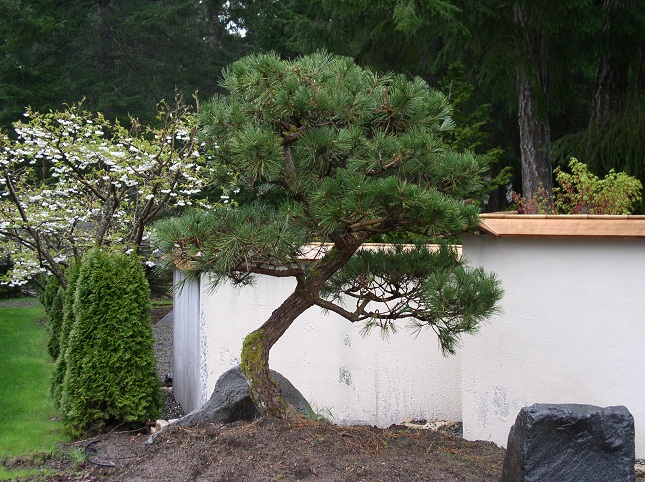
Japanese black pine, with its spreading and swaying branches, is a species of evergreen, coniferous trees native to the coastal and mountainous regions of South Korea and Japan. Being adaptable to a variety of soil conditions, these conifers are commonly used for seaside plantings and beach landscaping.
Scientific Classification
| Kingdom | Plantae |
| Division | Pinophyta |
| Class | Pinopsida |
| Order | Pinales |
| Family | Pinaceae |
| Genus | Pinus |
| Subgenus | Pinus |
| Scientific Name | Pinus thunbergii |
Quick Information
| Other Names | Japanese pine (English), Kuromatsu (Japanese) |
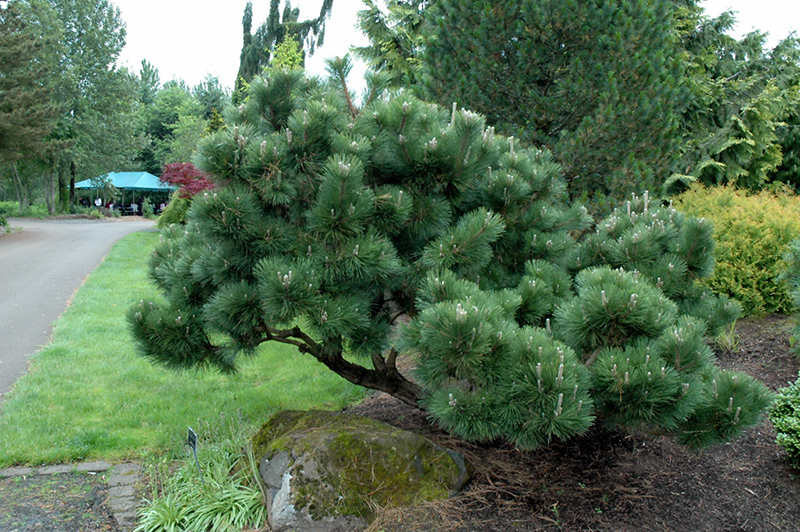
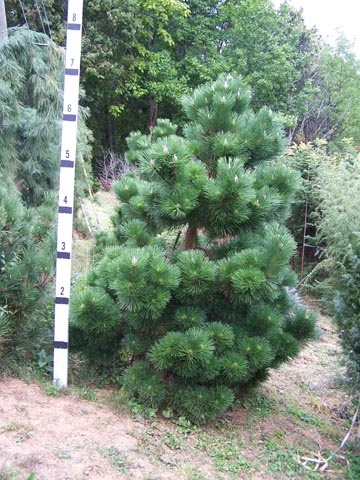
| Size | Up to 40 m (131 ft) tall in its native range, less than 8 m (25 ft) in beach plantings |
| Leaves (Needles) | Stiff, pointed, 7-12 cm long, bright-green, occur in bundles of two, grayish-white covering at the base |
| Cones | Female: 4-7 cm long, fringed scales at the extremity with small points, mature after two years Male: 1-2 cm long, occur in clusters of 12-20 |
| Bark | Gray branches in young trees; the trunk and larger branches are black and have fissures, which are quite deep in older trunks |
| Crown/Top | Pyramidal shape, irregular, open |
| Distribution/Range | Shikoku, Kyushu, S Hokkaido, Honshu (Japan), coastal areas of South Korea |
| Hardiness Zones | 5 to 8 |
| Growth Rate | Medium; under favorable conditions, may grow 2-3 feet per year |
| Growing Conditions | Winter Conditions: Grows well in areas with mild winters Summer Conditions: Warm and humid; average temperature of 24°-29° C Rain: Requires moderate rainfall; average annual precipitation is around 600-1500 mm Sunlight: Tolerates both partial shade and exposure to full sun Soil Requirements: Medium moist, well-drained, fertile; tolerates clayey, loamy, sandy, acidic, and alkaline soil; somewhat resistant to drought |
| Diseases and Pests | Bursaphelenchus xylophilus (pinewood nematode), blue stain fungus, brown-spot needle blight; adelgids, bark beetles, pine weevils, sawfly larvae caterpillars |
| Flowering/Fruiting | Yellow, inconspicuous flowers occurring in spring |
| Breeding System | Monoecious |
| Seedling Development | Seeds germinate easily |
| Wildlife Value | Habitat for small animals and songbirds |
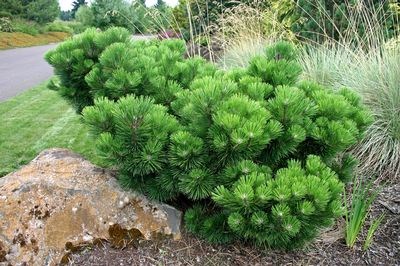
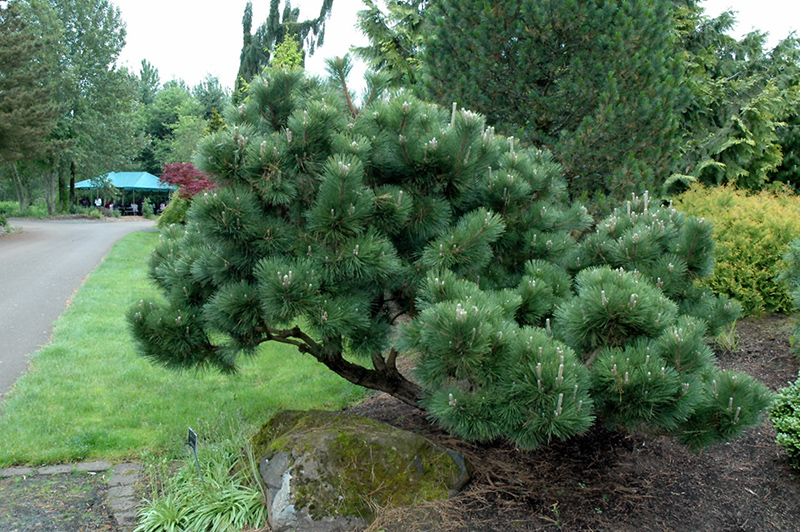
| Cultivars | Some common varieties including the shrubby, dwarf form Pinus thunbergii ‘Banshosho’ and Pinus thunbergii ‘Thunderhead’ (thunderhead Japanese black pine) |
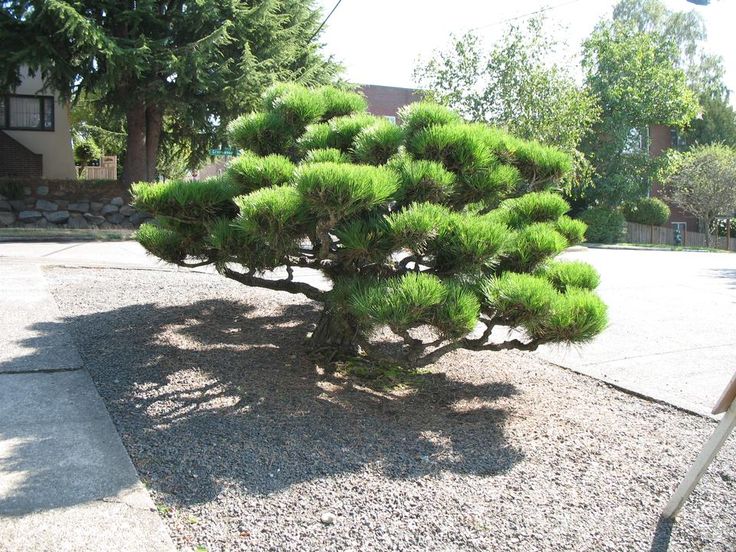
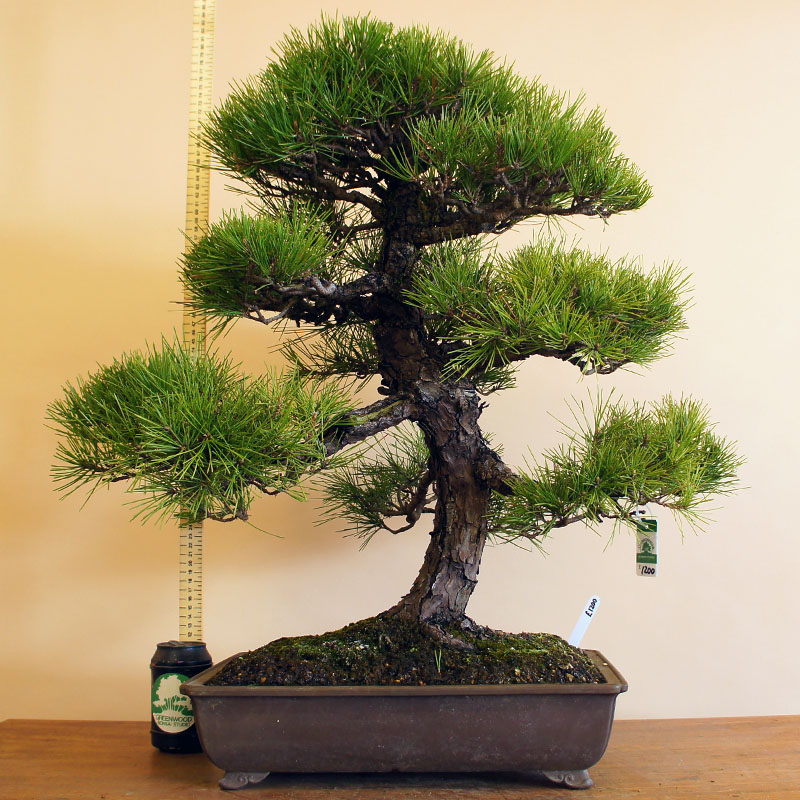
| Uses | Specimen pine in horticulture since it is tolerant to salt and pollution; shaped, pruned, and styled as bonsai and Niwaki trees; the wood is used for railway sleepers, poles, general construction, flooring, fences, crates, pallets, and wood pulp |
| IUCN Conservation Status | Least Concern |
Interesting Facts
- The scientific epithet of this species of pine tree is named after the 18th-century Swedish physician Carl Peter Thunberg.
- These pines are quite a hardy tree, having the ability to withstand pruning.
- In Korea, the needles are sometimes used in making soft drinks and pastries.
References