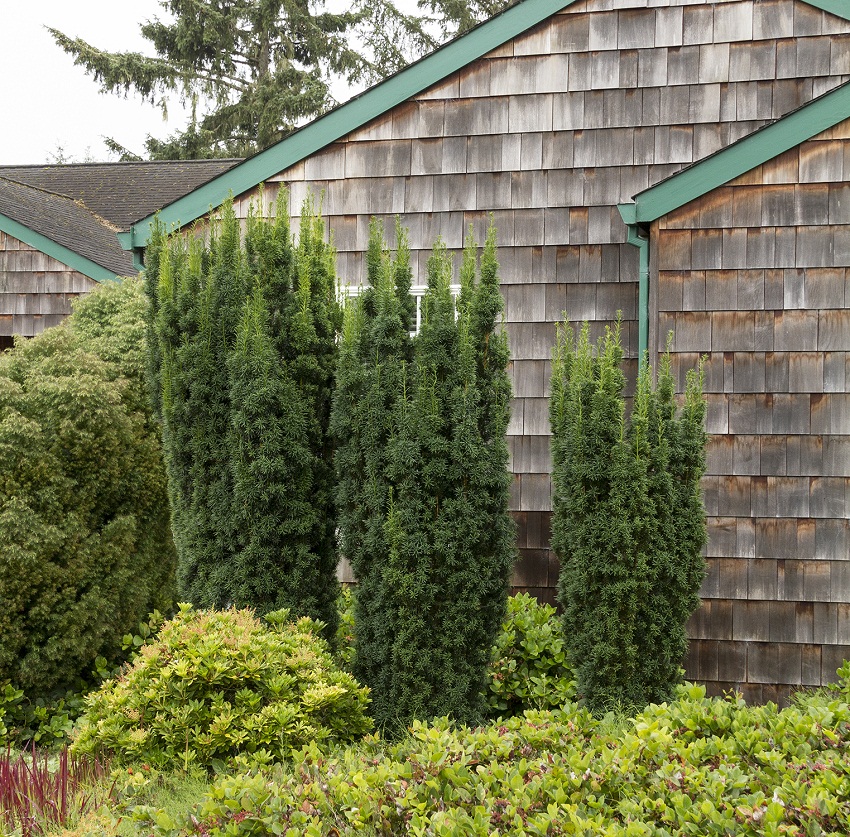
The Hick’s yew is a cultivar of the Anglojap yew, is a hybrid yew plant believed to be created by T.D. Hatfield, a Massachusetts based horticulturist. It is the result of the hybridization of the English yew and the Japanese Yew.
Scientific Classification
| Kingdom | Plantae |
| Division | Pinophyta |
| Class | Pinopsida |
| Order | Pinales |
| Family | Taxaceae |
| Genus | Taxus |
| Scientific Name | Taxus × media |
Quick Information
| Also known As | Anglojap |
| Tree Type | Evergreen |
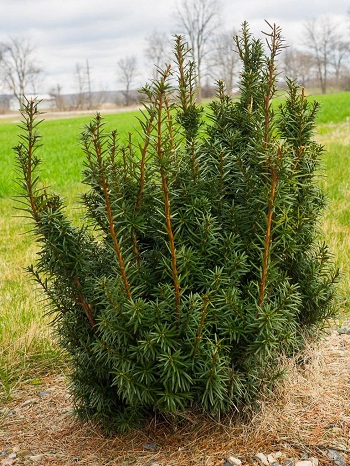
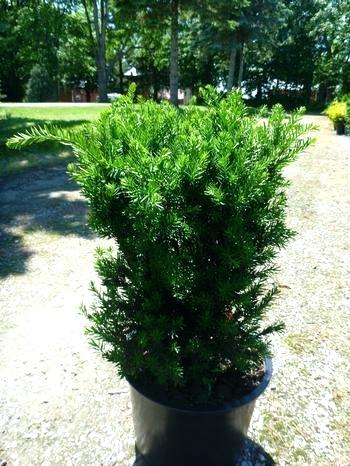
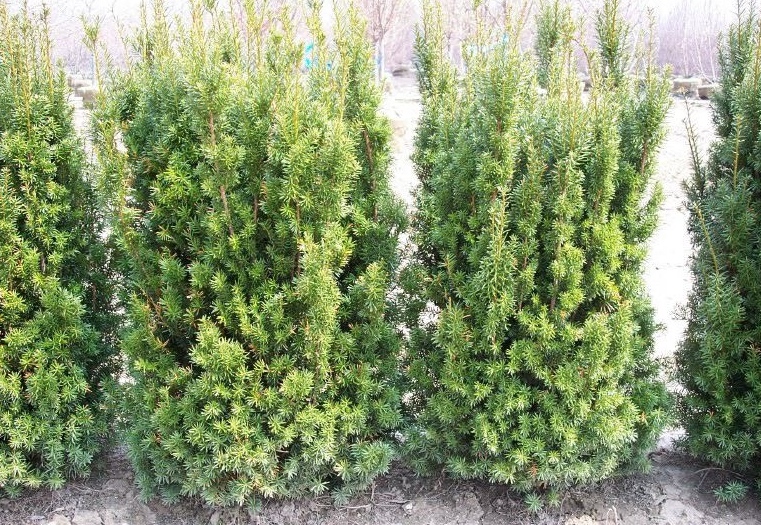
| Identification | Size: 2-20ft in height Spread: 3-4 ft Bark: Brown with scales Needles: Green in color Cones: Berries instead of cones, red colored |
| Hardiness Zones | 3-7 |
| Growth Rate | Slow |
| Lifespan | At least 20 years |
| Growing Conditions | Sun: Partial shade to full sun Water: Weekly; more frequently if heat is extreme Soil: Moist, sandy, loamy soils with good drainage |
| Diseases & Pests | Vulnerable to winter-burn; twig blight, needle blight; root rot in water-logged soils; scales, weevils, and mealybugs |
| Reproductive System | Dioecious |
| Propagation | By seeds and semi-ripe cuttings |
| Seedling Development | Should be plated in spring or summer |
| Companion Plants | Lilac, Periwinkle, Potentilla |
| Wildlife Value | All parts of this plant are toxic to animals and humans |
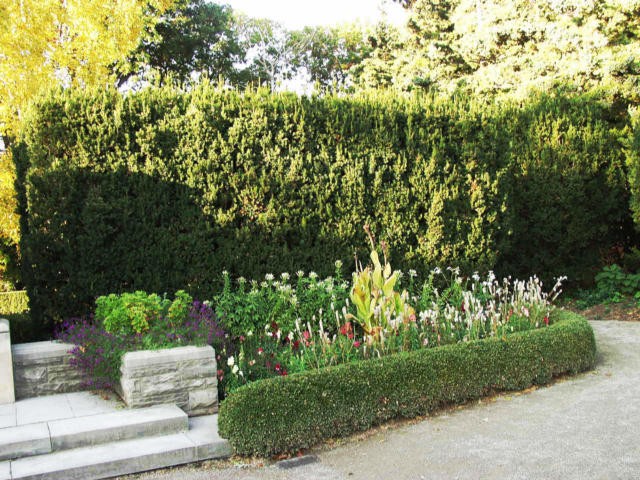
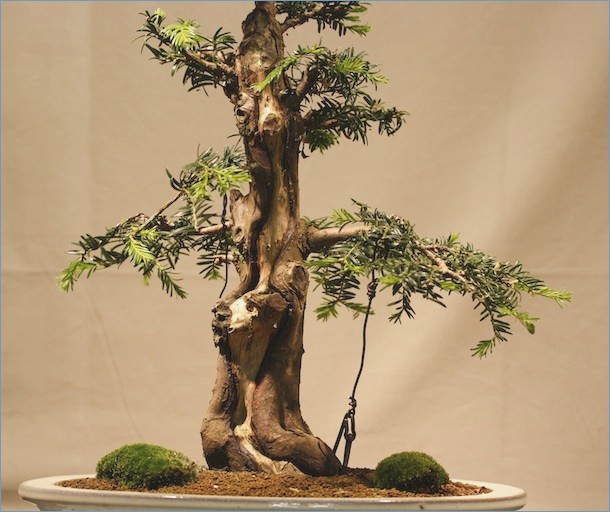
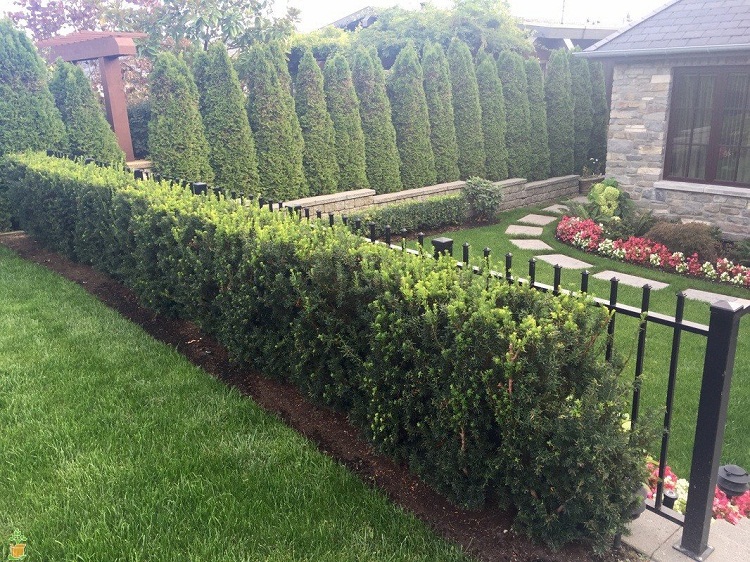
| Uses | Ornamental; used as a hedge plant; also popular in bonsai |
Interesting Fact
- In England, this plant is restricted to be planted around churches to ensure that animals don’t graze on it and die. Interestingly, deer may feed on parts of the plant and survive.
References: