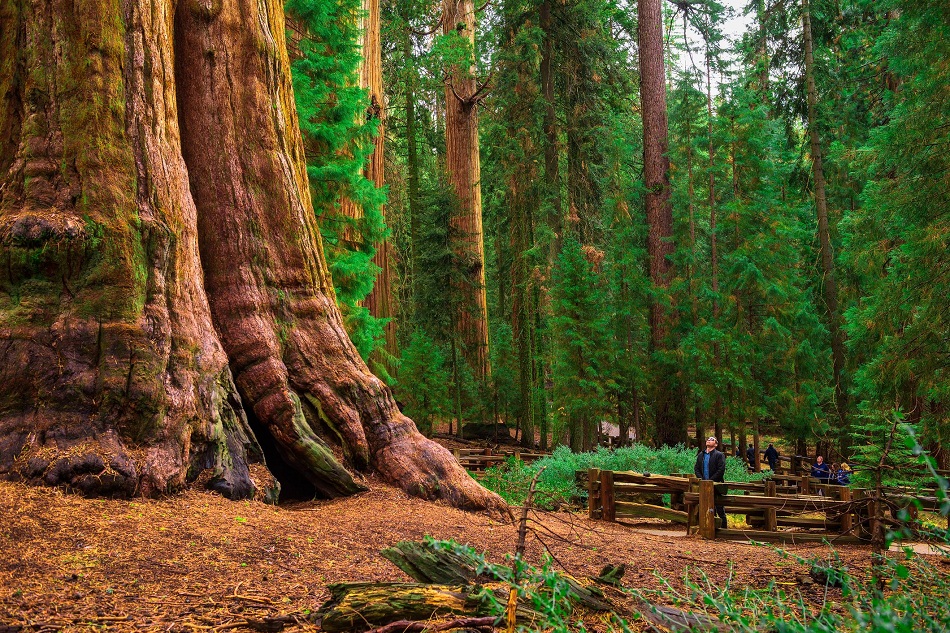
The California redwood is known for its longevity and height. Just like its name, the tree is although not exclusive to the place, but mostly found in that region.
Cypress
Cypress is one of the several species of conifers that mainly constitute the genus Cupressus, as well as some of the other genera belonging to the family Cupressaceae. As with most conifers, the extensive cultivation of cypress trees has produced a variety of forms, with different sizes and colors. Most cypress species are used as ornamental trees and plants in parks, gardens, and around temples, while others are developed for their durable timber.
| Scientific Classification | |
| Kingdom | Plantae |
| Clade | Tracheophytes |
| Division | Pinophyta |
| Class | Pinopsida |
| Order | Pinales |
| Family | Cupressaceae |
| Subfamily | Cupressoideae |
| Genus | Cupressus |
List of Different Types of Cypress Trees
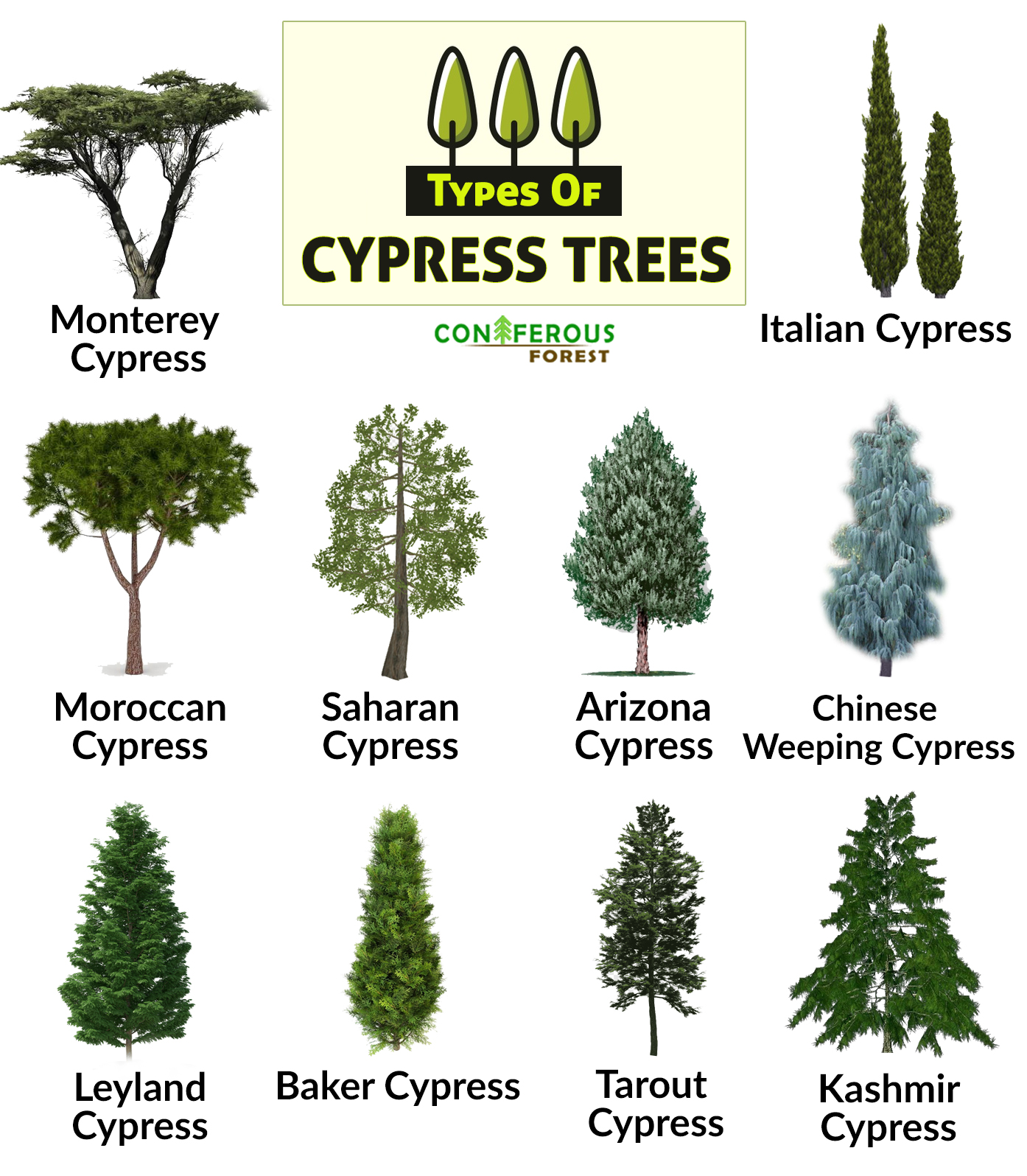
The genus Cupressus includes 16-25 extant species of cypress that are divided into two clades – Old World species and New World species. Old World species generally have cones characterized by more scales (8-14), each of which has a short and wide ridge. The New World species, on the other hand, have cones featuring fewer scales each of which has a prominent narrow spike.
The name ‘cypress’ also represents bald cypress and fustic cypress, as well as several aromatic evergreen trees like cypress pine and false cypress. In eastern Canada, jack pines are also called cypress. Here are the true cypress species along with their clades.
Old World Species
- Moroccan cypress (Cupressus atlantica)
- Bhutan cypress (Cupressus cashmeriana)
- Cheng’s cypress (Cupressus chengiana)
- Yunnan cypress or South Tibet cypress (Cupressus ducloxiana or Cupressus austrotibetica)
- Saharan cypress (Cupressus dupreziana)
- Weeping cypress (Cupressus funebris)
- Tibetan cypress (Cupressus gigantea)
- Mediterranean cypress (Cupressus sempervirens)
- Tonkin cypress or Himalayan cypress (Cupressus torulosa)
- Vietnamese cypress (Cupressus vietnamensis)
New World Species
- Santa Cruz cypress (Cupressus abramsiana)
- Arizona cypress (Cupressus arizonica)
- Modoc cypress (Cupressus bakeri)
- Tecate cypress (Cupressus forbesii)
- Smooth Arizona cypress (Cupressus glabra)
- Californian cypress or Gowen cypress (Cupressus goveniana)
- Guadalupe cypress (Cupressus guadalupensis)
- Mexican cypress (Cupressus lusitanica)
- Macnab cypress (Cupressus macnabiana)
- Monterey cypress (Cupressus macrocarpa)
- San Pedro Martir cypress (Cupressus montana)
- Piute cypress (Cupressus nevadensis)
- Nootka cypress (Cupressus nootkatensis)
- Mendocino cypress (Cupressus pigmaea)
- El Rincon cypress (Cupressus revealiana)
- Sargent cypress (Cupressus sargentii)
- Cuyamaca cypress (Cupressus stephensonii)
Some of the cypress species that belong to genus other than Cupressus include Montezuma cypress, bald cypress, northern white cedar, Japanese cedar, giant sequoia, dawn redwood, and California redwood.
Quick Information | |
| Tree Type | Evergreen coniferous |
| Identification | Height: 16-132 ft Leaves: Scale-like, opposite pairs intersect each other, about 2-6 mm long Trunk Diameter: About 3-6 ft Bark: Sometimes smooth, but usually separates into thin strips Cones: Spherical or ovoid, about 8-40 mm long, with 4-14 scales laid out in decussate pairs Seeds: Small, about 4-7 mm long, has two narrow wings Branches: Level, variably loosely hanging Crown: Conical |
| Distribution | Western North America, northwest Africa, Central America, the Himalayas, the Middle East, northern Vietnam, southern China |
| Habitat | Dry, rocky, temperate regions |
| USDA Hardiness Zone | 7-11 |
| Growth Rate | Average to fast, 1-3 feet per year |
| Lifespan | Ranges between 100 and 300 years, some may live for 1000-2000 years |
| Growing Conditions | Sunlight: Direct to partial sunlight Soil: Well-drained, moist, sandy, loamy, clay Water: Average |
| Drought Tolerance | Excellent |
| Diseases & Pests | Cypress canker caused by fungus Seiridium cardinal; pests like cypress bark moths, spruce spider mites, and cypress tip miner cause damage |
| Reproductive System | Monoecious, some can be dioecious |
| Propagation | Either from stem cuttings or seeds |
| Wildlife Value | Different bird species take shelter in the dense foliage, deer and rodents eat cypress seedlings |
| Uses | As decorative plants and trees in gardens; as anti-dandruff, anti-aging, anti-seborrheic, and astringent agent, and fragrance; Bhutan, Monterey, and Mediterranean cypresses are useful for their timber |
| IUCN Conservation Status | Species such as Himalayan cypress is listed as Least Concern while others like Cheng’s cypress is Vulnerable |
Interesting Facts
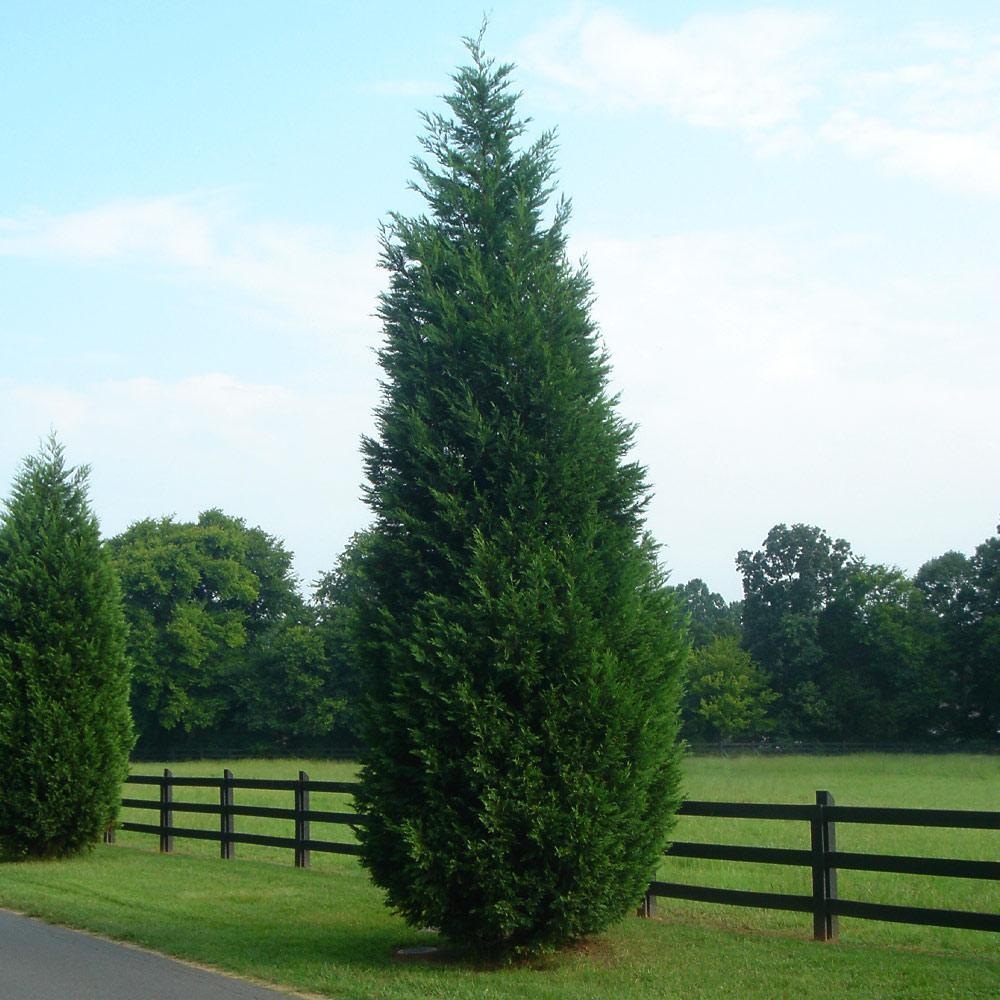
- A fast-growing hybrid produced from Monterey cypress and Nootka cypress, called Leyland cypress (referred to as leylandii), is extensively used for decorating gardens.
- Many cypress species have evolved to survive in forest fires. They hold their seeds in closed cones for several years until the parents die, after which the seeds are released so that they can develop in the bare, burnt ground.
References
Dawn Redwood
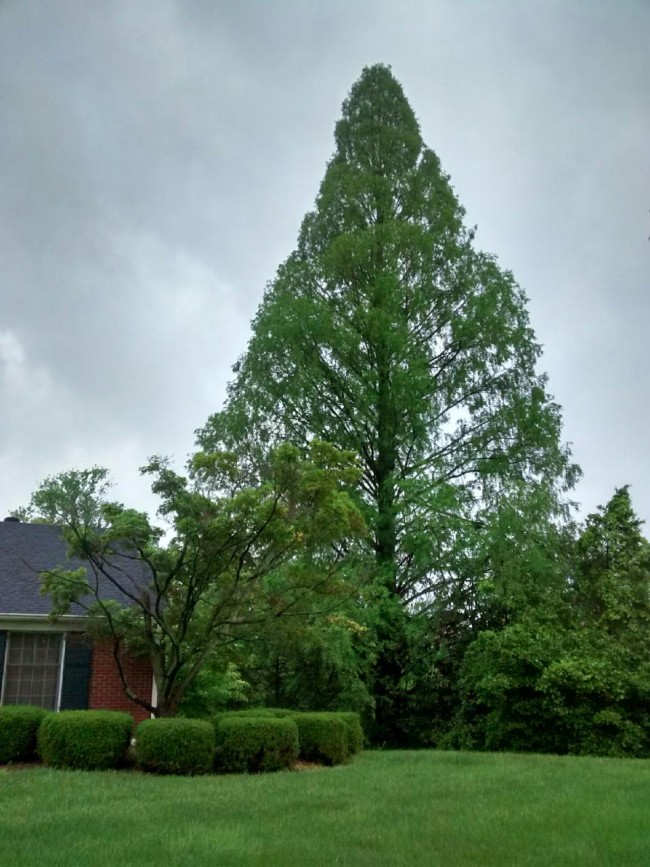
The dawn redwood tree was long thought to be extinct until it was rediscovered in 1941 by Mr. T. Kan while performing a survey in the Hubei and Sichuan provinces of China. The discovery was confirmed in 1946 after the end of the Second World War. It is the sole species of its genre.
Giant Sequoia
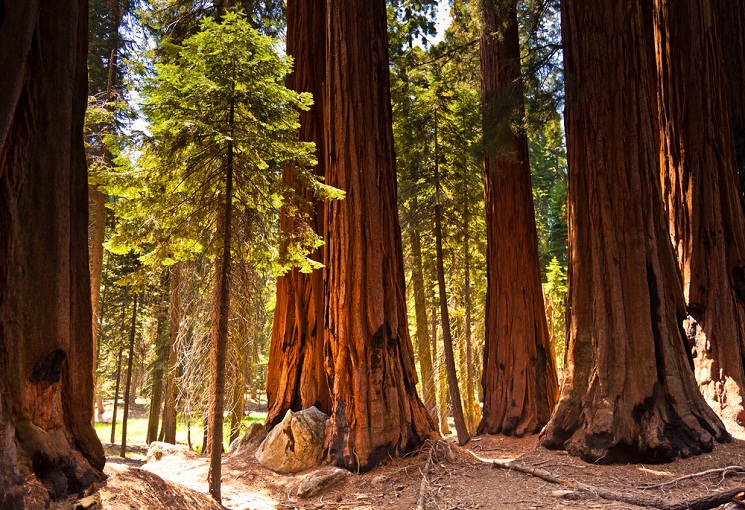
Giant sequoia trees are the giants of the plant kingdom, growing to large dimensions, both in height and volume. They are also very long-lived. It is the only living member of its genera.
Italian Cypress (Mediterranean Cypress)
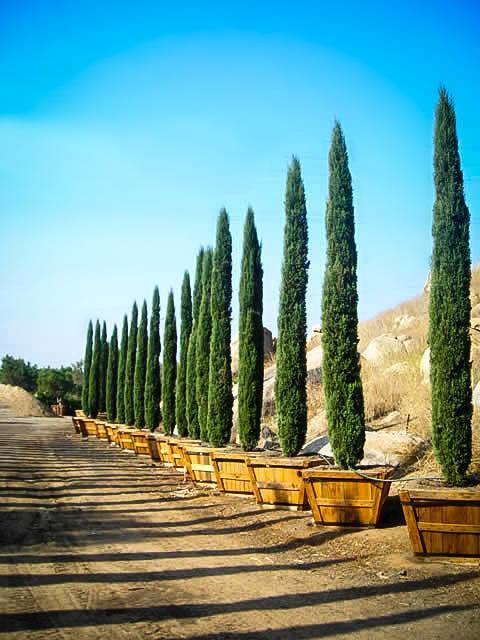
Italian cypress is a medium-sized conifer found across the Mediterranean region. It has also been grown in colder places like North America, New Zealand, and the British Isles.
Japanese Cedar
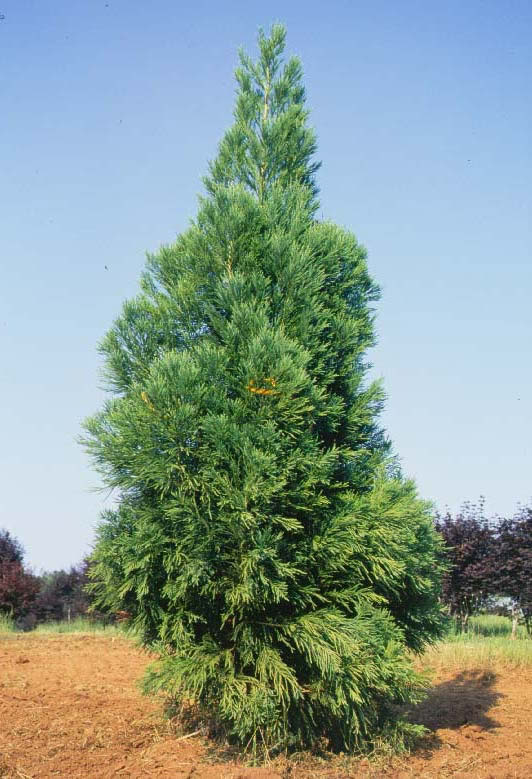
The Japanese cedar or cryptomeria, meaning hidden parts, is a coniferous tree widespread within Japan. It is a handsome tree and only grows prettier with age, with the most striking feature being its pyramidal shape with dense branches, spreading in concentric circles. There are various dwarf cultivars that enhance the aesthetics of the tree even further, and they are used extensively in bonsai.
Northern White Cedar
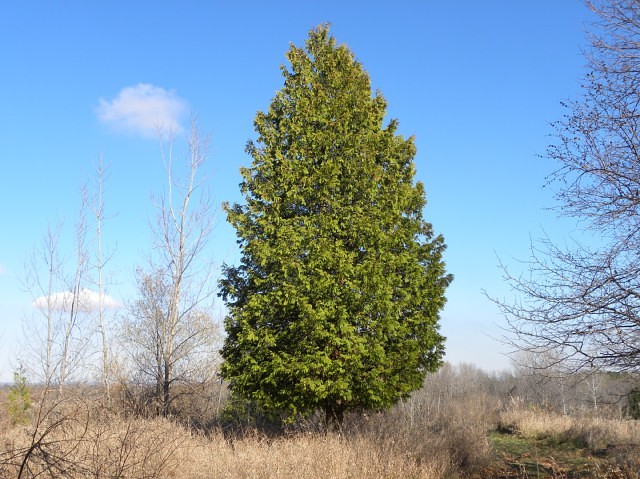
Northern white cedar also called swamp cedar is an evergreen species of conifers found in eastern Canada and many places in the United States. Since its barks, twigs, and sap are believed to have medicinal properties, it is named “arborvitae” in Latin, meaning “tree of life.” Although northern white cedar is closely related to western red cedar, the two species differ in their geographic range, minutely pointed scales of seed cones, and leaf color.
Bald Cypress
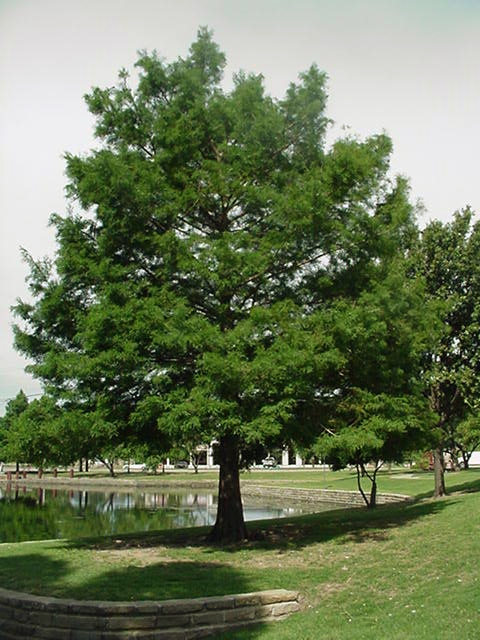
Bald cypress, also known as swamp cypress, or southern-cypress is a large-sized coniferous tree found in the Gulf Coastal Plains and the Southeastern United States. It has a pyramid-shaped crown when young, turning columnar at maturity. Trees growing in swampy conditions are known for their pneumatophores, commonly called “cypress knees,” which are special types of aerial roots used for transporting oxygen to the underground root system.
Montezuma Cypress
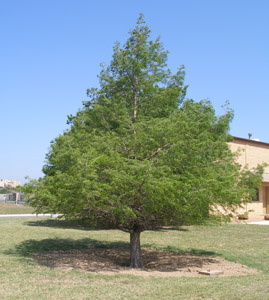
The Montezuma cypress is a deciduous, coniferous tree found from Central America to the Southern parts of North America where it generally grows next to water bodies. Known to develop huge trunks, the Montezuma cypress is a fairly hardy plant not affected by common diseases.