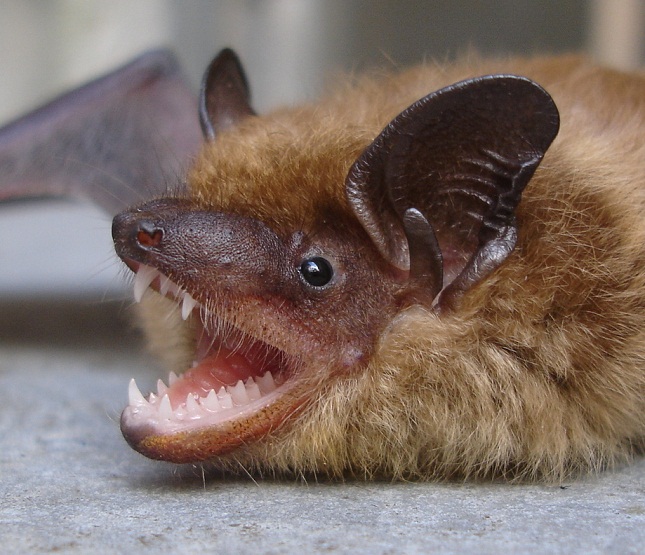
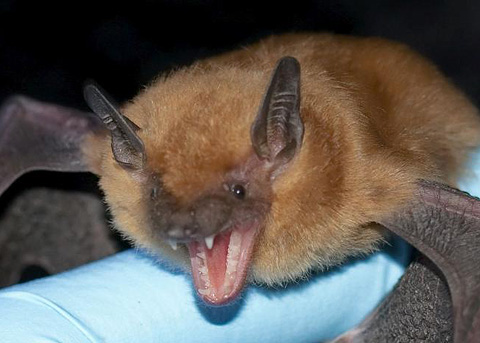
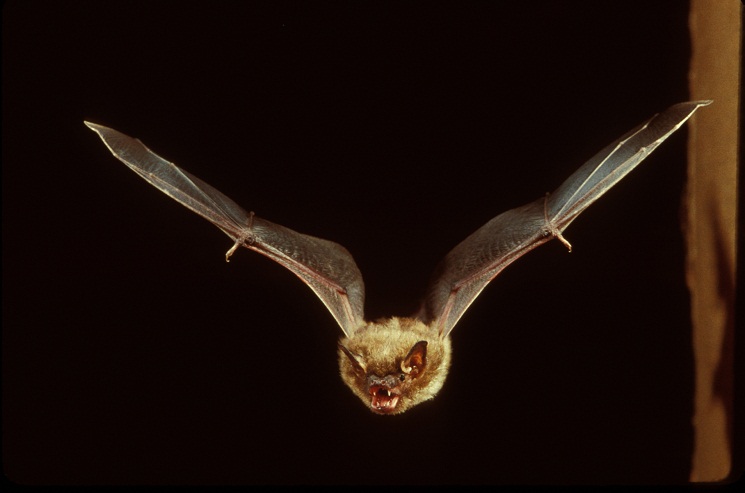
Big brown bats are the largest and most common among other bats found in the United States. Although males and females are similar in appearance, females are a bit larger than males. It derives its name because of its large size – almost more than double the size of little brown bats.
Scientific Classification
| Kingdom | Animalia |
| Phylum | Chordata |
| Class | Mammalia |
| Order | Chiroptera |
| Family | Vespertilionidae |
| Genus | Eptesicus |
| Scientific Name | Eptesicus fuscus |
Quick Information
| Subspecies | E. f. fuscus E. f. pallidus |
| Size | 4-5 in (10-13 cm); tail length about 3-5.5 cm |
| Wingspan | 11-13 in (28-33 cm) |
| Weight | 14-25 gm |
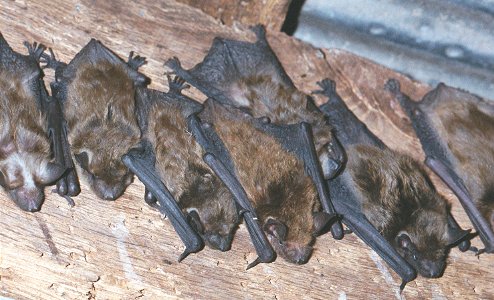
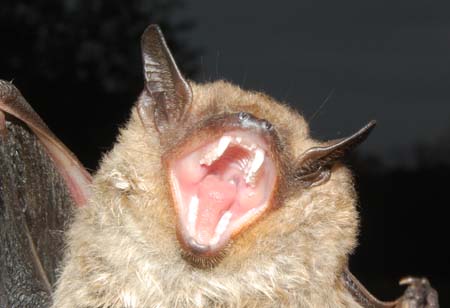
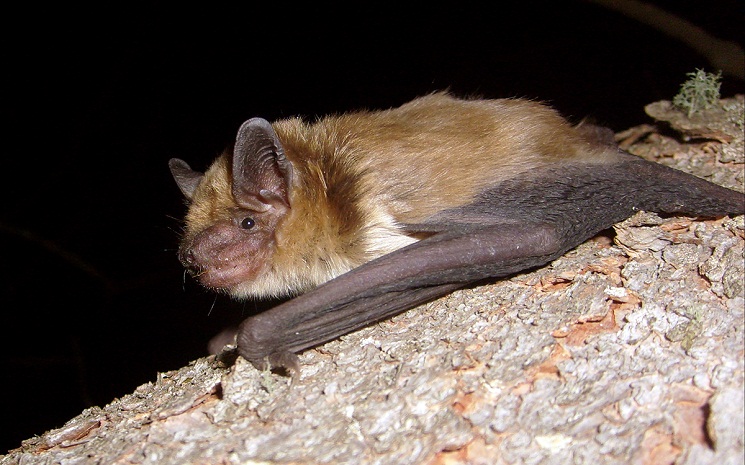
| Color | Shiny brown fur; face, feet, ears and wings are dark brown to blackish; offspring are darker and much dull in color compared to adults |
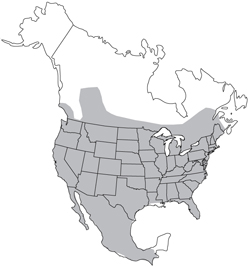
| Distribution | North America, Central America, Southern Canada, some islands of Caribbean, northernmost South America |
| Habitat | Forest areas, open fields, along rivers and streams, hollow trees and caves; also in industrial areas and human inhabited places |
| Sound | Squeaking calls and hissing sounds |
| Number of offspring | One or two pups each year |
| Gestation Period | Around two months |
| Lifespan | 19 or 20 years in the wild; usually males live longer than females |
| Diet | Insectivorous, feeding on beetles, flies, moths, wasps, mosquitoes, dragonflies, leafhoppers, lacewings and other flying insects |
| Predators | Owls, snakes, cats, raccoons and falcons |
| IUCN Conservation Status | Least Concern |
Behavior
They are nocturnal creatures like other bats and start foraging in early evening. The big brown bats hibernate during winter. At the end of the period of inactivity, they forage during warm nights but.
Mating and reproduction
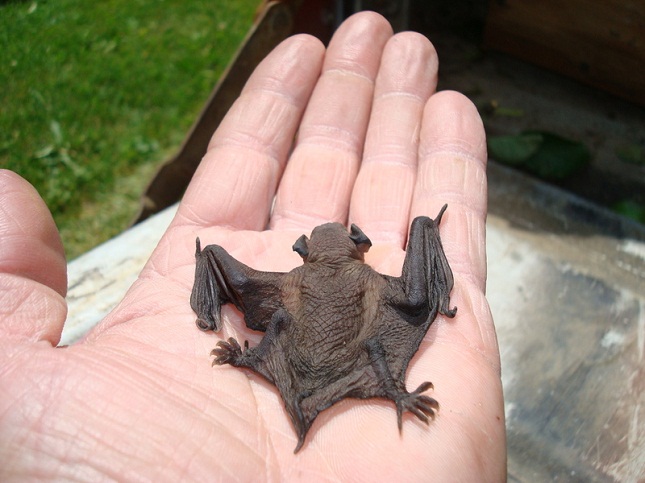
The mating takes place during autumn or winter and sometimes in early spring with fertilization occurring in spring. The female usually gives birth to one or two pups between May and July.
Life Cycle
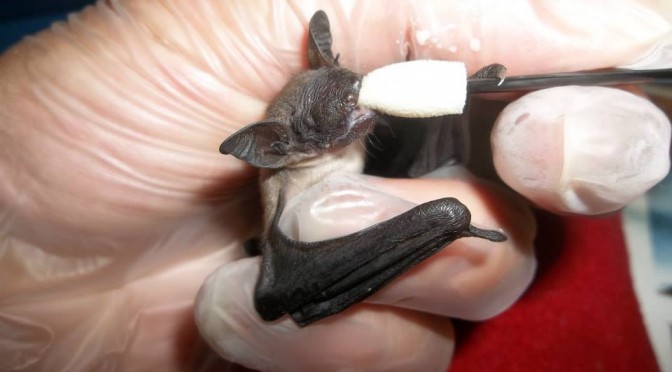
The pups are born blind and have no fur, with their eyes opening on the second day. The females take care of the babies. By the end of three to five weeks, the young ones are able to fly and by the end of two and a half months, they become adult. Many juvenile big brown bats do not survive the first winter due to their inability to store enough fat for hibernation.
Interesting Facts
- They can fly at a speed of 40 miles per hour, migrating large distances. (#8)
- Their eyesight is poor but, that does not deter them from searching for food as they make use of echolocation.
- By feeding on insects, they contribute to a large extent in checking the balance of the ecosystem through pest control.
References: