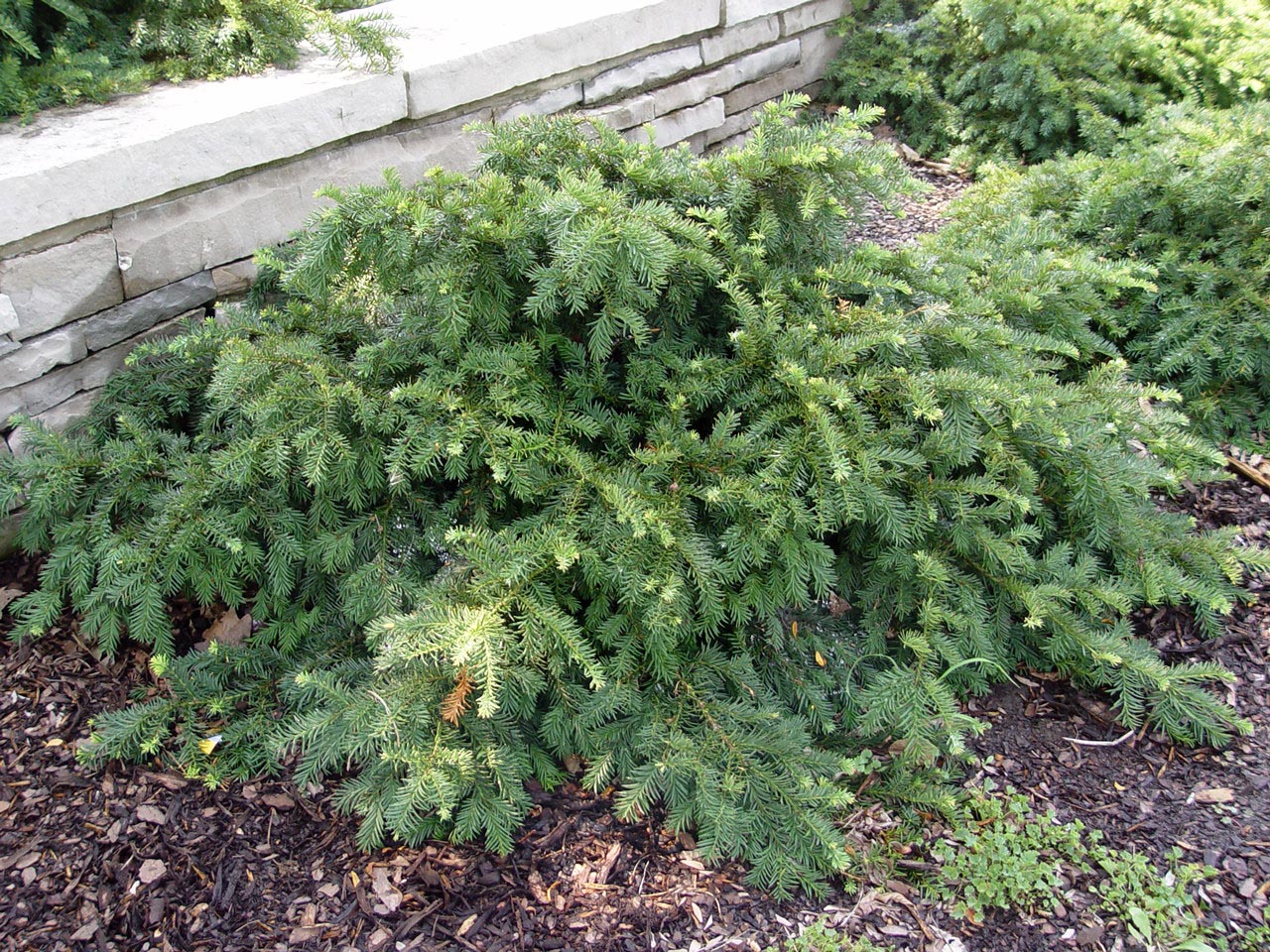
Originally known just as Yew, the English yew moniker started becoming commonplace when other trees of this genus were discovered. It is found across Europe and in parts of Asia and Africa as well. It is sometimes considered a shrub because of its average medium maximum size despite the columnar structure.
Scientific Classification
| Kingdom | Plantae |
| Division | Pinophyta |
| Class | Pinopsida |
| Order | Pinales |
| Family | Taxaceae |
| Genus | Taxus |
| Scientific Name | Taxus baccata |
Quick Information
| Other Names | Common yew, European yew |
| Tree Type | Evergreen |
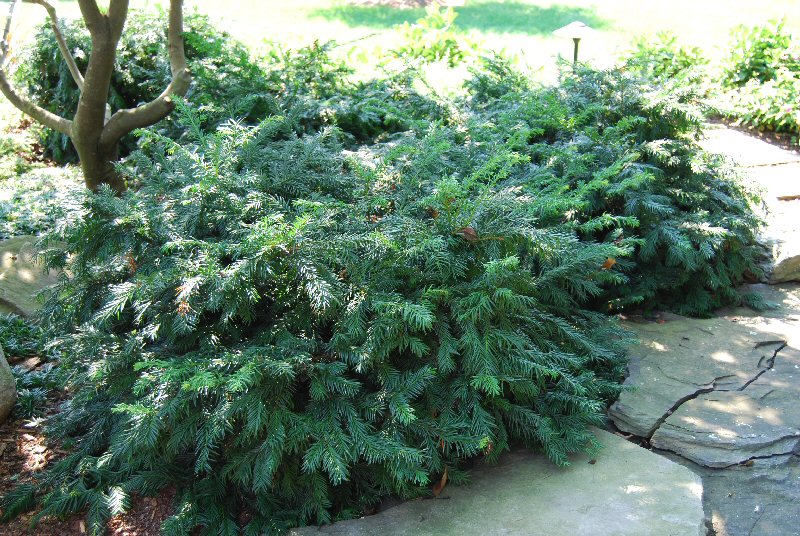
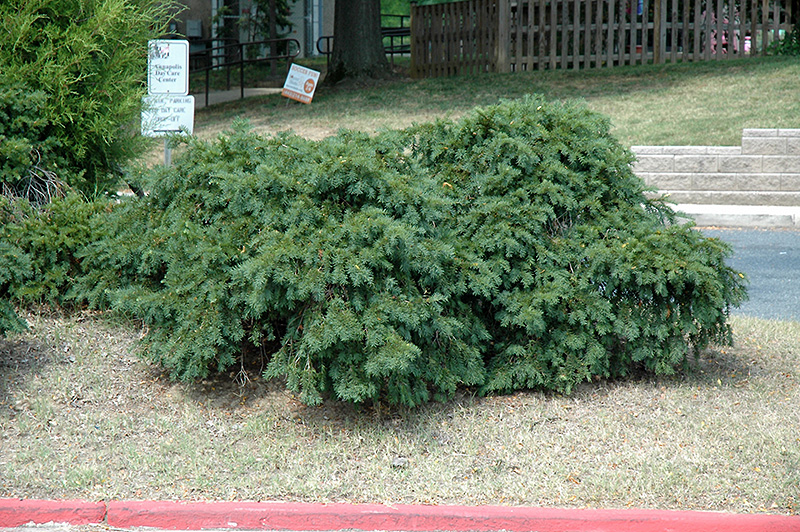
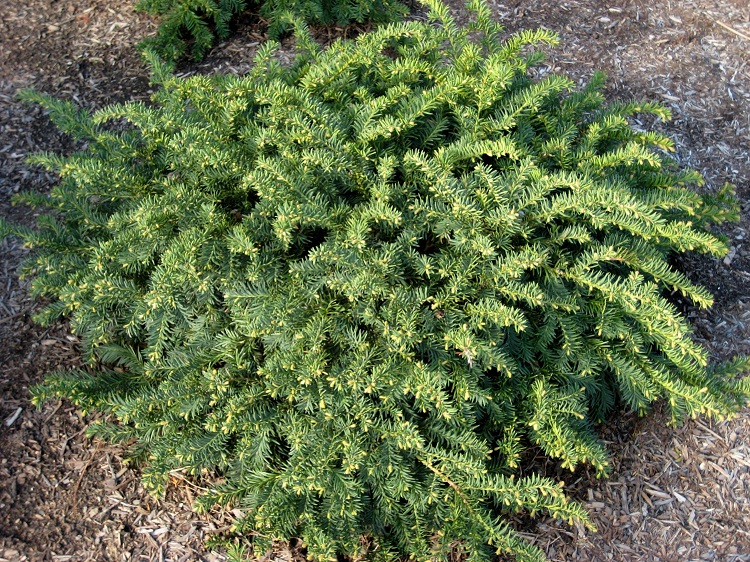
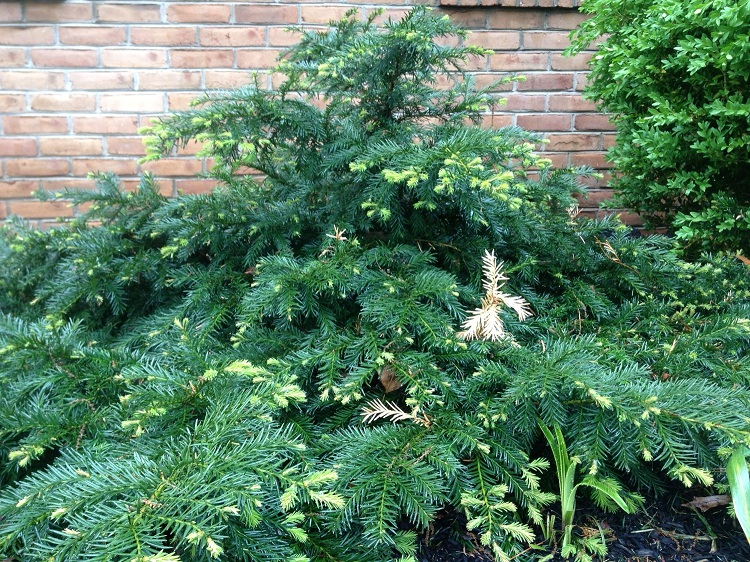
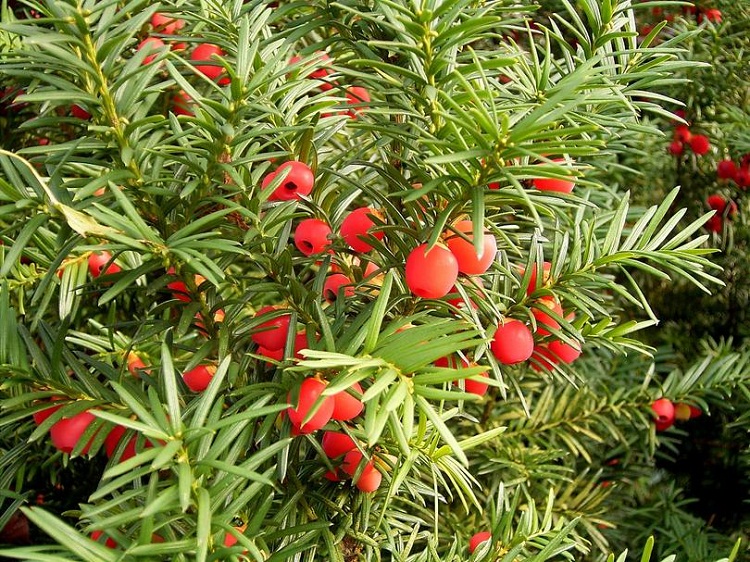
| Identification | Size: 33-66 ft (10-20 m) Needles (Leaves): Dark green, flat, 0.39-1.57 in (1-4 cm) in length, 0.079-0.118 in (2-3 mm) broad, spirally arranged on the stem, poisonous Trunk Diameter: 6 ft 7 in (2 m) Bark: Scaly brown in color and thin Seed Cones: 0.16-0.28 (4-7 mm) length, surrounded in part by a fleshy scale which turns into a bright red colored structure known as aril, which itself is around 0.31-0.59 in (8-15 mm) Male Cones: Ovoid with a quarter inch of a diameter |
| Distribution | Throughout Europe, from Turkey to Iran in Asia and in the African countries of Algeria and Morocco |
| Habitat | Mixed forests, coniferous forests, and mixed broad-leaved coniferous forests |
| Cultivars |
|
| Hardiness Zones | 5B-7B |
| Growth Rate | Slow |
| Lifespan | Usually 400-600 years |
| Growing Conditions | Summer Conditions: Clipping required once around late summer Winter Conditions: Faces difficulty in places with snow and fluctuating winters, as the sunlight during the day and freezing temperatures during the night causes the needles to go brown Light: Tolerant of shade but grows faster in open conditions Soil: Grows in a variety of soils, including chalk soils |
| Diseases & Pests | Root rot and honey fungus |
| Breeding System | Dioecious |
| Propagation | By cuttings |
| Seedling Development | Seeds prone to take long to germinate, often close to two years |
| Wildlife Value | Arils are eaten by many birds like thrushes, waxwings; seeds consumed by greenfinches, hawfinches, and great tits |
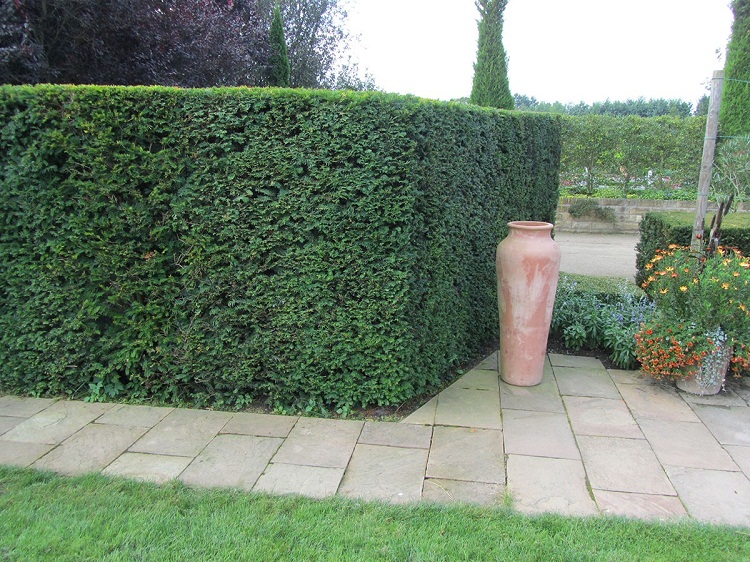
| Uses | Used in making longbows and woodwork because of hard softwood; the bark of this tree has medicinal properties; also the ability of this tree to withstand pruning makes it popular as a hedge |
| IUCN Conservation Status | Least Concern |
Interesting Facts
- Some botanists consider the Himalayan Yew to be a subspecies of the English Yew.
- An English yew in Scotland, called the Fortingall Yew, has the greatest trunk diameter among all trees in Britain, and estimates suggest that it is between 2,000-3,000 years old.
References:
- https://en.wikipedia.org/wiki/Taxus_baccata#Uses_and_traditions
- https://www.britannica.com/plant/English-yew
- http://dendro.cnre.vt.edu/dendrology/syllabus/factsheet.cfm?ID=115
- https://www.iucnredlist.org/species/42546/117052436
- https://www.weekand.com/home-garden/article/yew-varieties-18070224.php
- https://edis.ifas.ufl.edu/publication/st624
- https://www.bellarmine.edu/faculty/drobinson/EnglishYew.asp
- https://hortnews.extension.iastate.edu/2006/5-17/yew.html
- https://www.ashridgetrees.co.uk/blog/dead-and-dying-yew-trees-and-hedges/
- https://pfaf.org/User/plant.aspx?LatinName=Taxus+baccata