Known for its durable timber, the western hemlock is a species of large conifers found in the western coastal regions of North America. It is the dominant climax species in the forests west of the Pacific Coast Ranges.
Scientific Classification
| Kingdom | Plantae |
| Division | Pinophyta |
| Class | Pinopsida |
| Order | Pinales |
| Family | Pinaceae |
| Genus | Tsuga |
| Scientific Name | Tsuga heterophylla |
Quick Information
| Other Names | Western Hemlock-Spruce, Pacific Hemlock, Coast Hemlock, West Coast Hemlock |
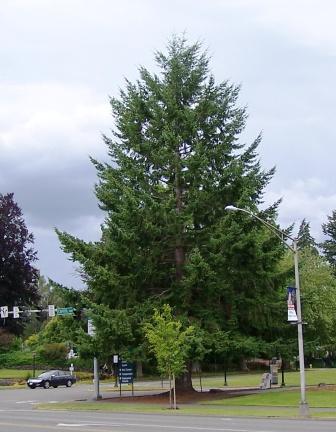
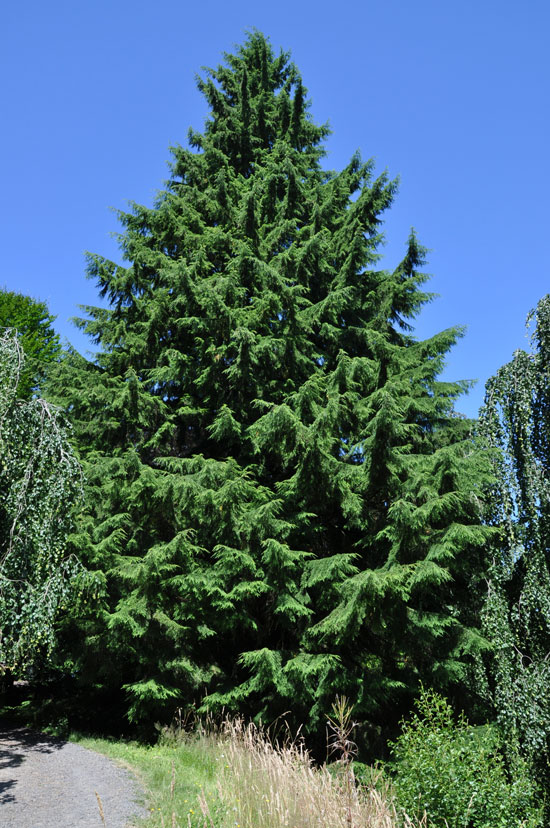
| Size | Height: 50 to 70 m (165 to 230 ft); occasionally grows up to 83.34 m (273.42 ft) Trunk diameter: Up to 2.7 m (9 ft) |
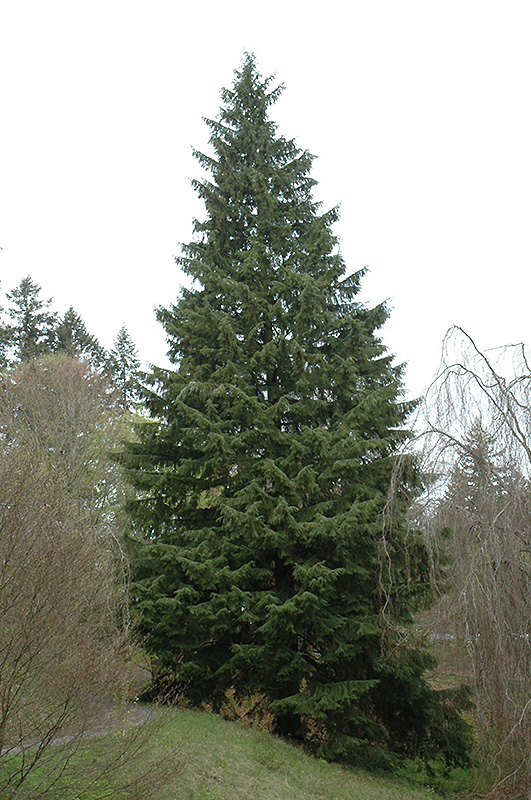
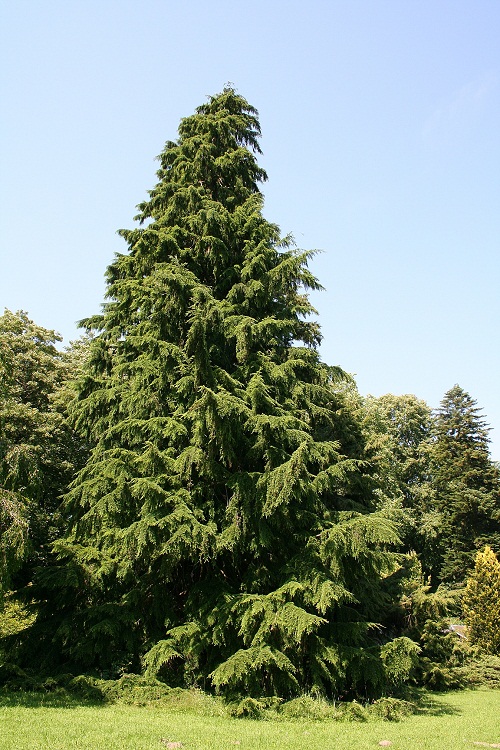
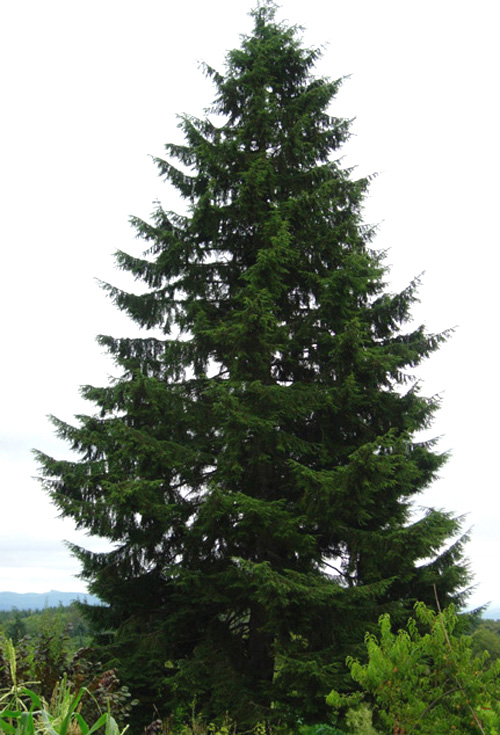
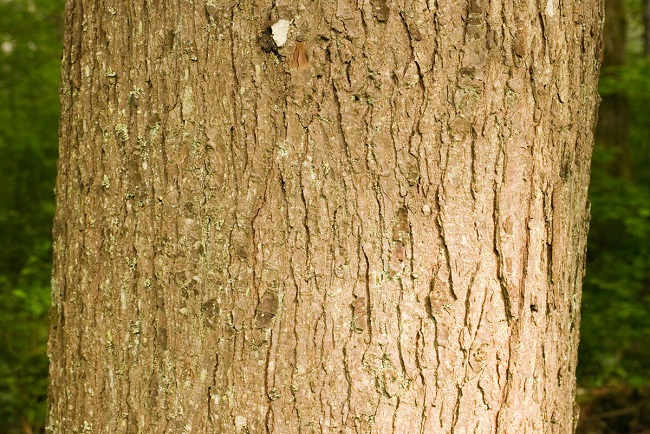
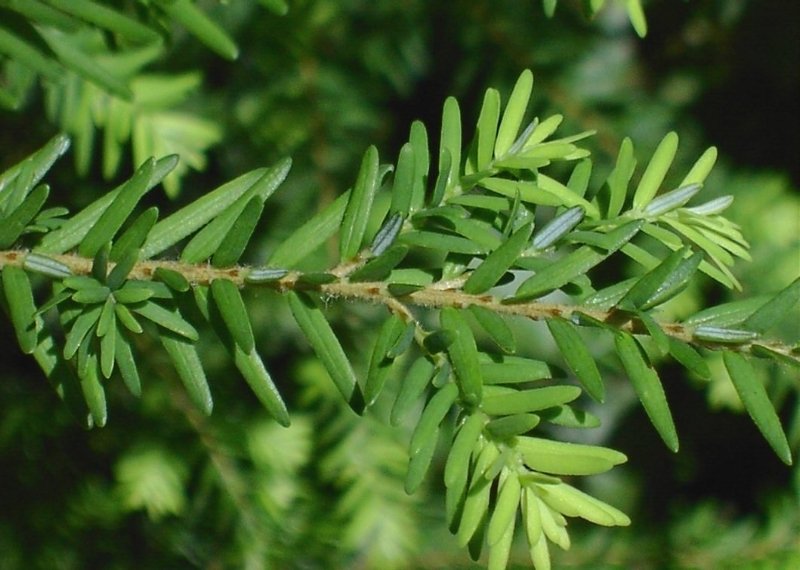
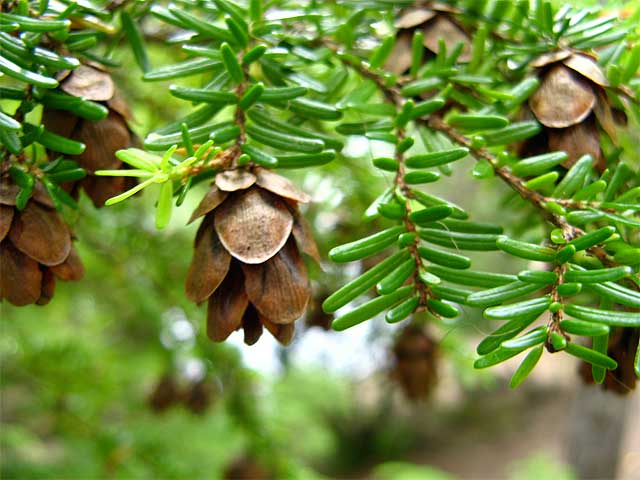
| Identification | Leaves (Needles): Short-stalked, finely toothed, flat, 5-20 mm long, irregularly spare Cones: Ovoid, short-stalked, thin papery scales; greenish to reddish-purple turning brown with age Bark: Smooth and reddish-brown when young; becomes darker, ridged and scaly upon maturity |
| Shape at Maturity | Narrow crown, down-sweeping branches, drooping lead shoot |
| Tree Type | Evergreen |
| Distribution/Range | Alaska, California, Montana, Idaho, Oregon, Washington (United States); Alberta, British Columbia (Canada) |
| Hardiness Zones | 6 |
| Growth Rate | Initially slow; once established, seedlings can grow at a rate of more than 24 inches per year |
| Lifespan | 400-500 years |
| Growing Conditions | Winter Conditions: Average winter temperatures range from -10.9° to 8.5° C Summer Conditions: Average summer temperatures range from 11° to 20° C Rain: 560-1730 mm per year (Rocky Mountains); 380-6650 mm per year (Alaska, British Columbia) Sunlight: Tolerates shade Soil Requirements: Moist, well-drained, acidic, light sandy, medium loamy |
| Diseases and Pests | Dwarf mistletoe, Heterobasidionannosum, Phellinusweiri, Echinodontiumtinctorium, Rhizina undulate (root rot), Sirococcus strobilinus; western larch borer, weevil, and hemlock looper cause damage |
| Flowering/Fruiting | Floweringbegins in April, continues until May-June; cones mature 4-5 months after pollination, seeds ripen in September |
| Breeding System | Monoecious |
| Seed Production | Good cone crops occur after 25-30 years of age |
| Seedling Development | Germination is epigeal; seedlings are sensitive to cold, heat, drought, and wind |
| Wildlife Value | Black-tailed deer and Roosevelt elk feed on the leaves and twigs; black bear cut through the bark of pole-size trees; mountain beaver, brush rabbit, and snowshoe hare clip off branches and stems of seedlings |
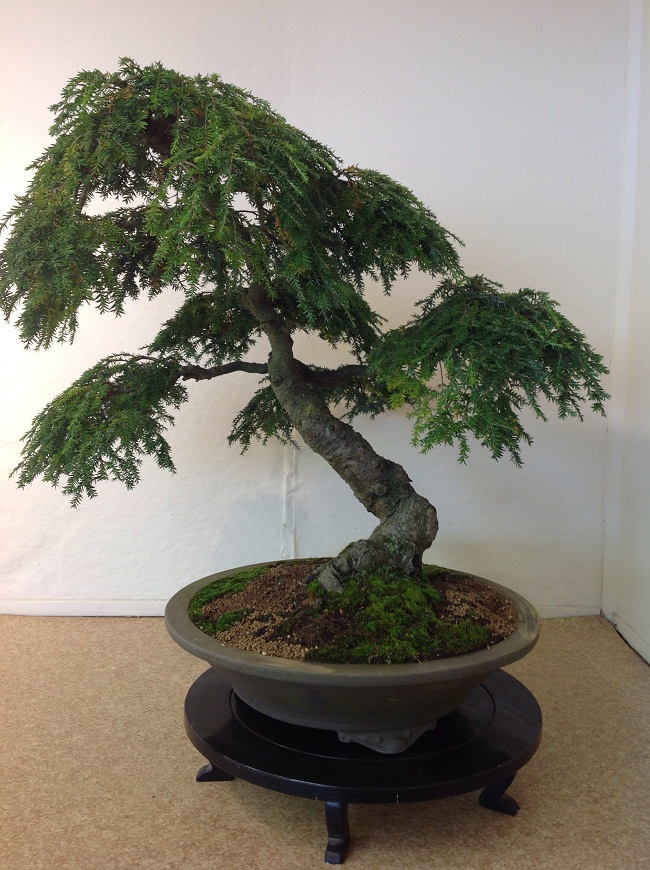
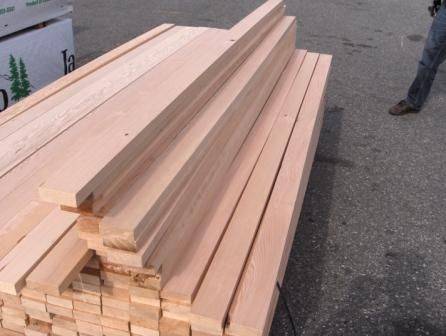
| Uses | For wood pulp, poles, railway ties, pilings, construction lumber; as specimen trees, hedging plants, and bonsai |
| IUCN Conservation Status | Least Concern |
Interesting Facts
- In 1947, western hemlock was designated as the “Washington State Tree.”
- Native people used hemlock bark as a tanning agent and cleansing solution, owing to its high tannin content.
- Its inner bark was used by the Alaska Indians to produce coarse bread.
References: