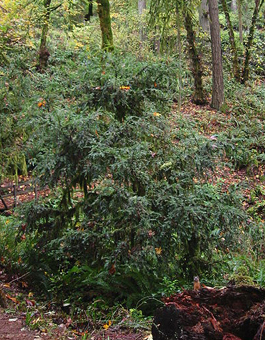
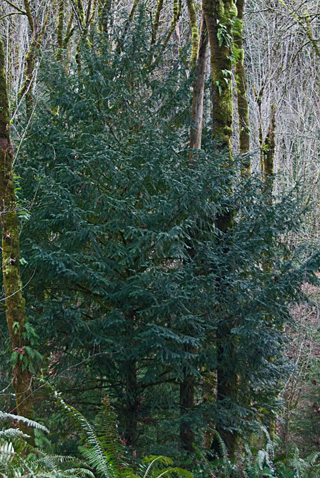
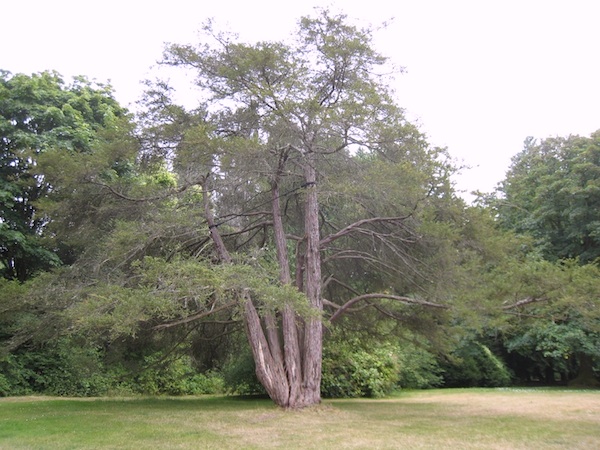
The Pacific Yew is an evergreen coniferous tree which comes in small to medium sizes appearing somewhat like a large shrub. It is a native North American tree mainly found in moist, shady regions, and in the underlying layers of vegetation in dense forests.
Scientific Classification
| Kingdom | Plantae |
| Phylum | Pinophyta |
| Class | Pinopsida |
| Order | Pinales |
| Family | Taxacae |
| Genus | Taxus |
| Scientific name | Taxus brevifolia |
Quick Information
| Other Names | Western yew, Yew brush, Yew, Mountain Mahogany |
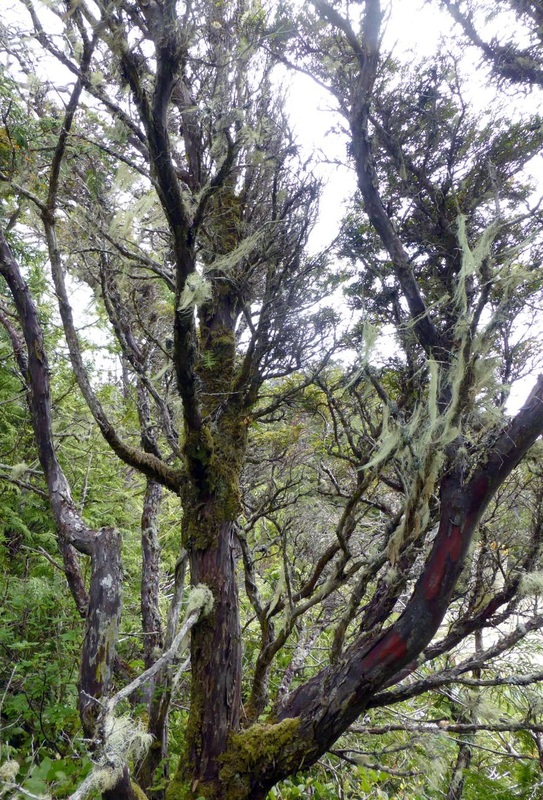
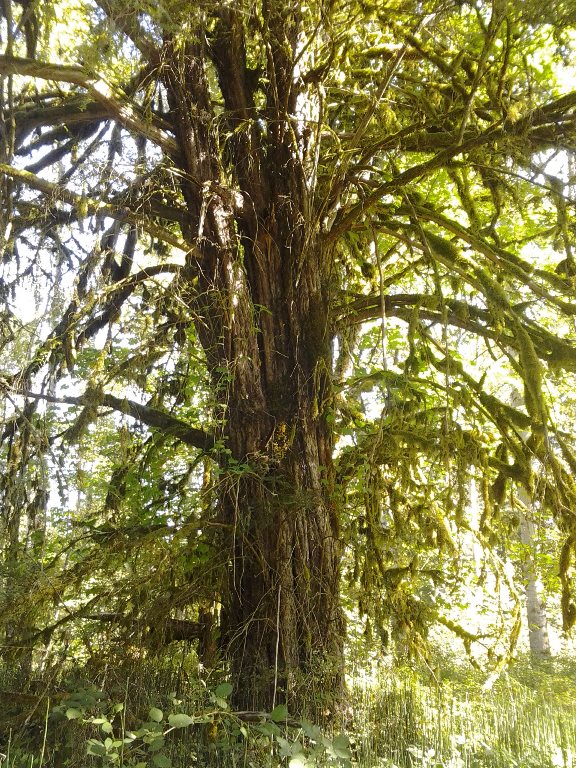
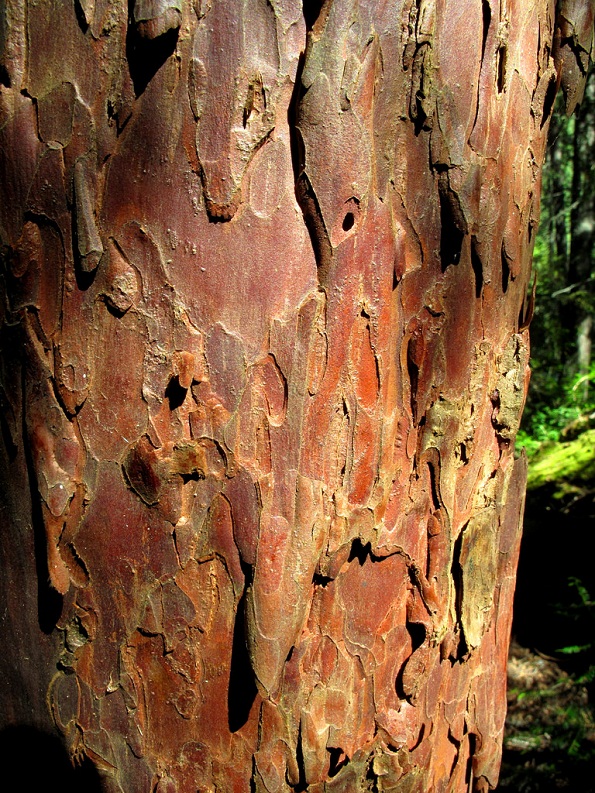
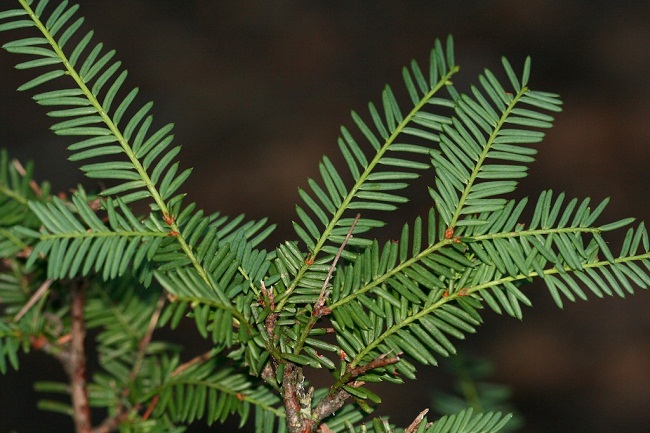
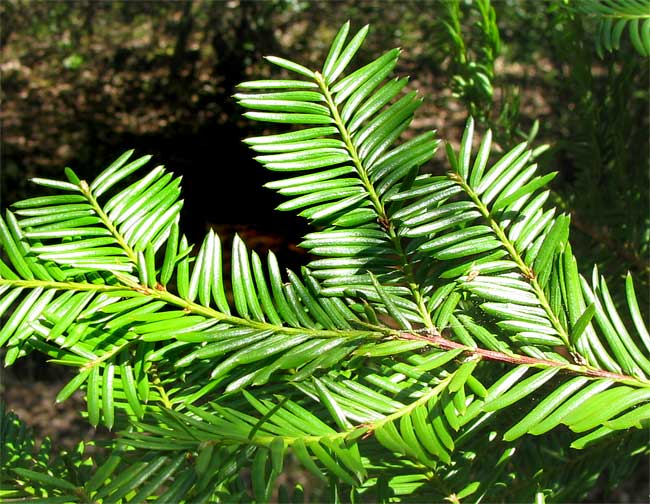
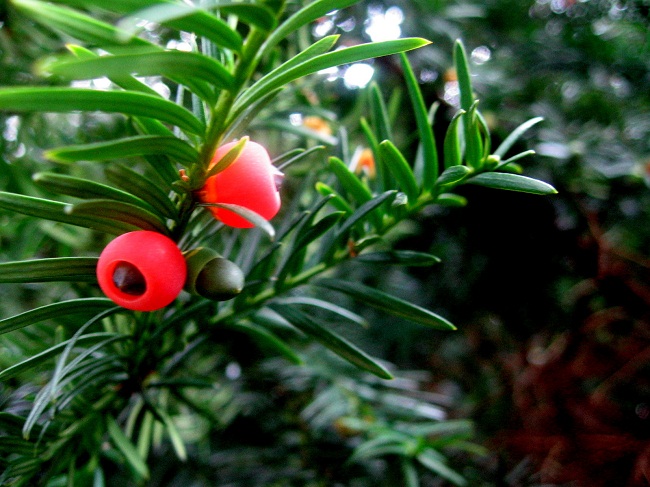
| Identification | Height: 30-50 ft (10-15 m) tall Trunk Diameter: 50 cm Leaves (needles): Spirally arranged, 1 to 3 cm long, 2 to 3 mm broad Seed cones: Single seed 4-7 mm long, develops into berry called aril, 8-15 mm long, wide with an open end. They mature 6-9 months post pollination Male Cones: Spherical, 3-6 mm diameter Bark: Scale-like, papery thin, brown to purplish in color |
| Tree type | Evergreen |
| Fruits | Toxic, contain Taxine alkaloids(A & B); fatally poisonous for humans, horses, cattle and pigs |
| Distribution/Range | Pacific Northwest of North America, British Columbia, Vancouver Island, Southeast Alaska, central California, and Idaho |
| Hardiness Zone | 5-9 |
| Growth rate | Slow |
| Lifespan | Long-lived (300 years) |
| Growing Conditions | Summer conditions: Warm, dry summer Winter conditions: Mild, wet winters with tolerance to frost Rainfall: Can survive flooding and brief deluge Sunlight: Tolerant to direct sunlight Soil: Grows best on rocky, gravelly, moist, rich, deep soil including Ultisols, Alfisols, and Inceptisols |
| Diseases and Pests | Inclination to rot from within, creating hollow forms; no leaf disease, localized damage caused by blight |
| Flowering/Fruiting | May or June |
| Breeding system | Dioecious |
| Seed development | Germinate slowly; 30°C day temperature and 20°C night temperature is desirable |
| Seed Production | Ripening of fruit takes place from August to October in the same year of flowering |
| Wildlife Value | Offer food and cover to many wild species such as deer, elk, and moose |
| Cultivars/Varieties | cv erecta, cv nana, cv nutallii; Taxus brevifolia var. reptaneta, Taxus brevifolia var. polychaeta |
| Uses | Wood is used in lumber industry and for manufacturing various items like canoe paddles, gunstocks, carved figurines, furniture, musical instruments, bow staves, etc. |
| IUCN Conservation Status | Near Threatened |
Interesting facts
- Pacific yew has great medical importance since it contains a drug Taxol, which is being used for Cancer medicine Research.
- It is an attractive ornamental tree and is frequently used as a hedge plant.
- Pacific yew wood was used by the Native Americans to make warring, fishing, and hunting tools.
References: